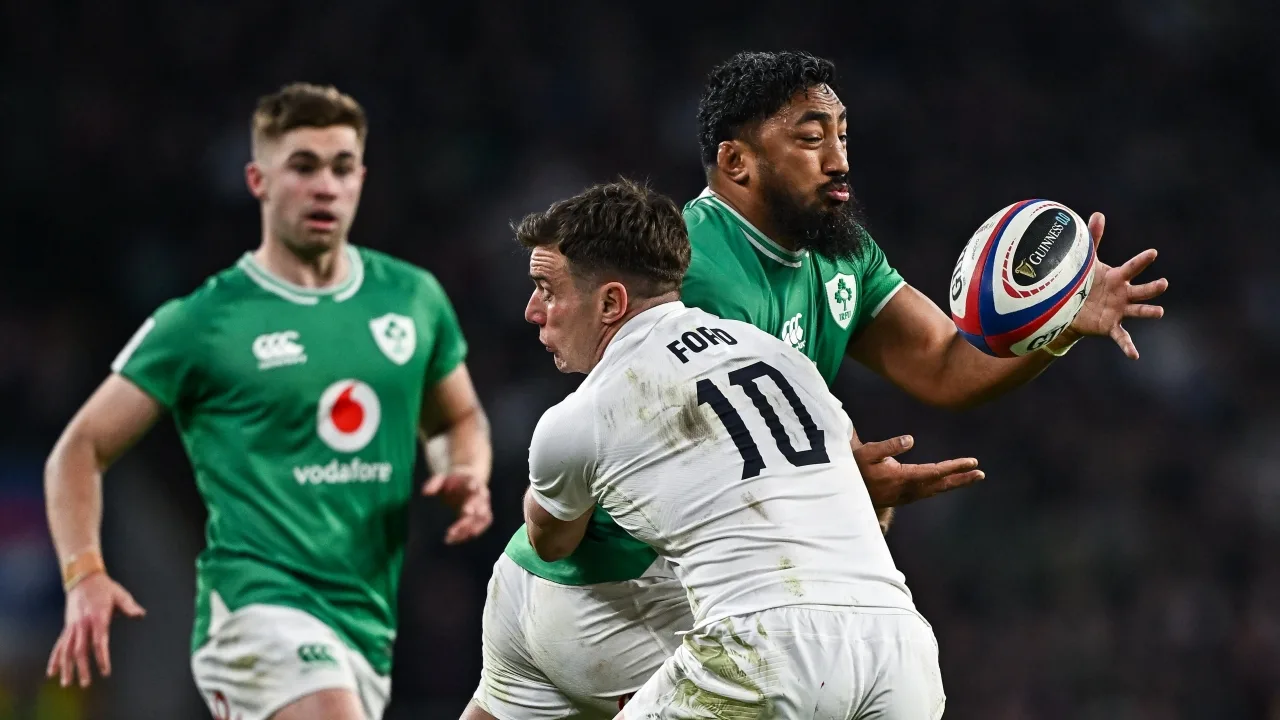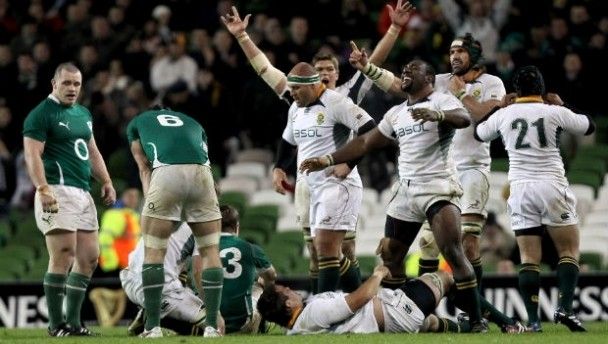
 Saturday night at the Aviva Stadium saw too many mistakes – both from the Irish team and the IRFU. But this month was not about beating an under-strength South Africa. It’s about beating New Zealand for the first time, and that opportunity is still there.
Â
Losing to an under-strength South Africa side in the first game at the new Aviva Stadium was a hugely disappointing start to the international season for Ireland. During the week, everyone was predicting that Ireland would win the game and bring an end to such a poor run of results going back to the end of last season. It didn’t pan out that way.
That was primarily because Ireland could never get any real dominance territorially, and the main reason for that was the fact that the lineout didn’t function at all. We could never challenge the South Africans on their throw and we were under pressure at all times on our own ball.
Paul O’Connell has been missing for quite a long time now but his absence on Saturday night was sorely felt. Mick O’Driscoll has been filling in very well for Paulie in Munster but against Victor Matfield, the number one lineout jumper in the world, this was always going to be a massive test, and it was one we failed.
Pre-match predictions
A lot of people seemed to be very confident in the build-up to the game, with most pundits predicting an Ireland victory. I have to say, though, I was a bit concerned, purely because of the lineout situation. Matfield and Bakkies Botha are two of the best in the business. South Africa were missing a few top players in the back-line, but their pack was very strong and it was going to be a huge test for Ireland, especially coming in the first game of the autumn series.
Over the next three weeks I would anticipate that Ireland will have it much easier in the lineout. Against Samoa, Argentina and even New Zealand, they will win their own ball and they’ll also be capable of stealing some of the opposition’s. South Africa, on the other hand, have built their success over the last few years on their forward power. Their lineout is a big part of that, so this was always going to be a very difficult game.
Having said that, it wasn’t a case that South Africa steamrolled us and beat us in every department. In fact, they were no more than steady and didn’t create a huge amount on their own. Most of their scores came from sloppy Irish play or Irish indiscipline. With that in mind, the Irish players will have been bitterly disappointed coming off the field.
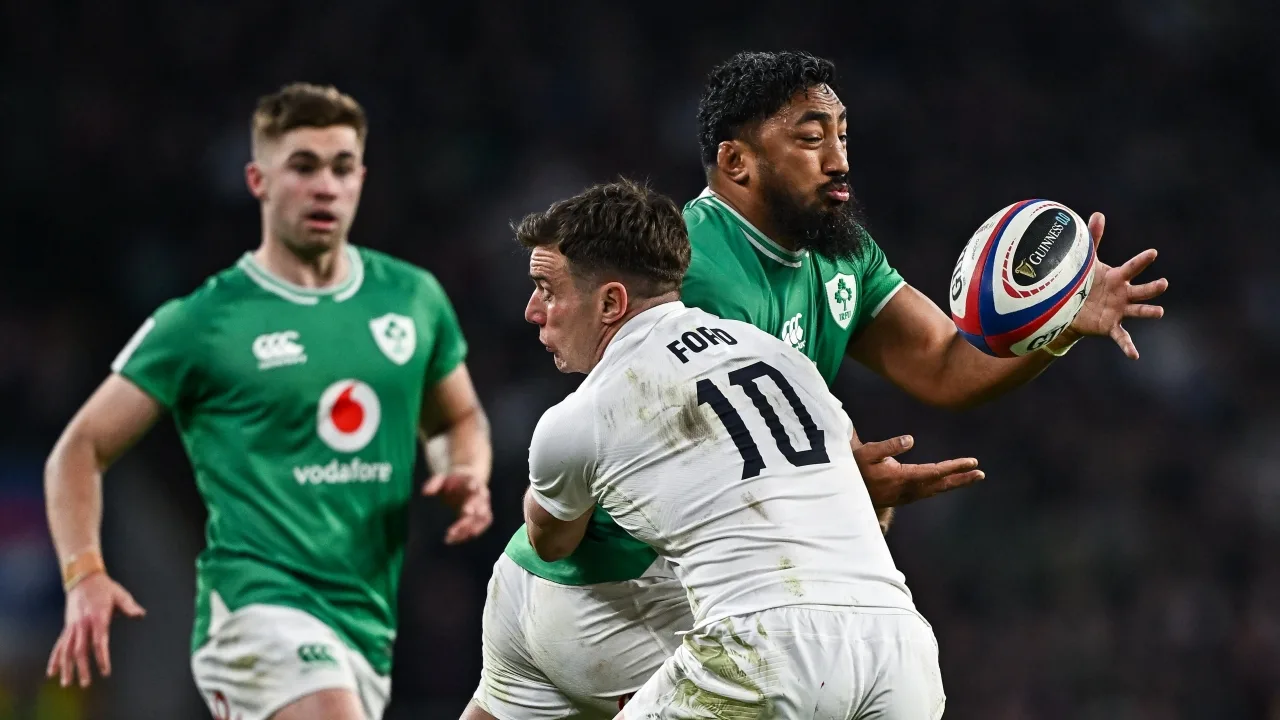
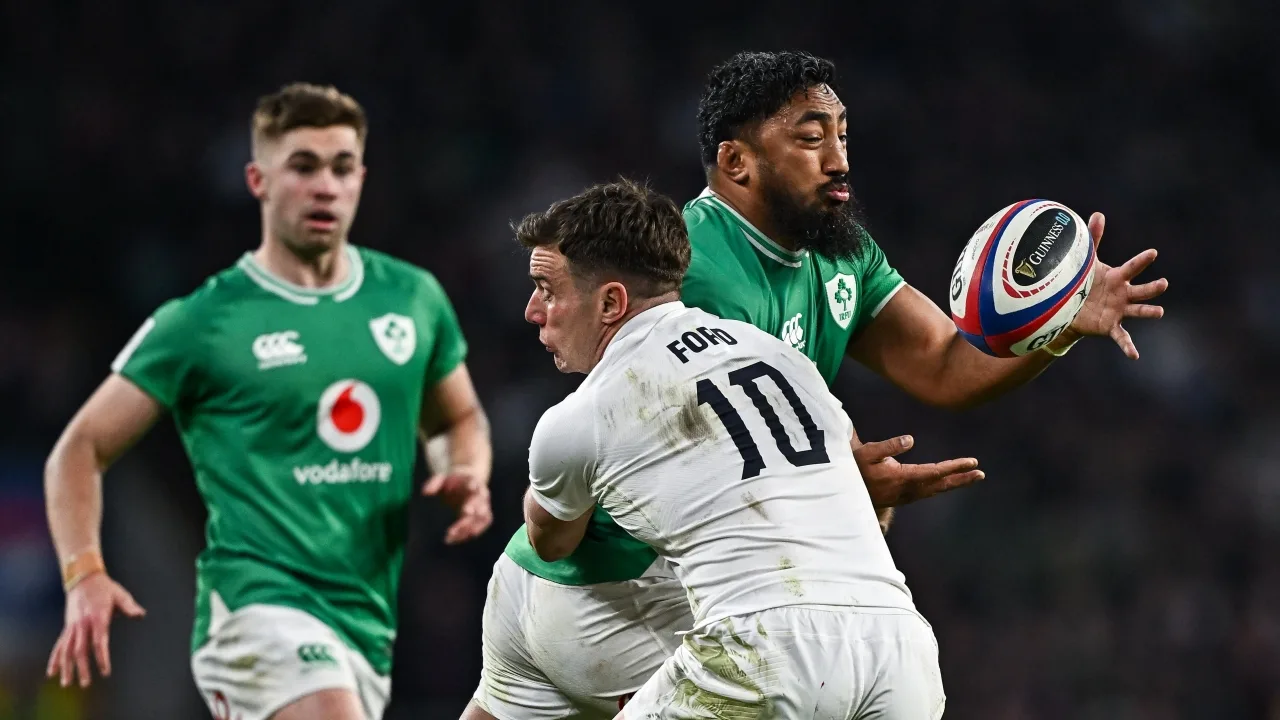
The first try was a crucial score – it opened the gap on the scoreboard early on that Ireland were always going to struggle to bridge – and it came directly as a result of the lineout problems. Throwing to the front of the lineout is usually a percentage play – you do it when you’re almost certain you’re going to win it cleanly. But this time it was challenged, it was sloppy ball for Eoin Reddan and they were immediately coming through to swallow him up. His attempted pass to Luke Fitzgerald under pressure was intercepted and Juan Smith made it all the way to the line.
That try was the lineout problems in a nutshell. We never gave ourselves any platform to create some back-line moves. Brian O’Driscoll was hardly seen on the front foot during the 80 minutes, and when that’s the case you’re going to be struggling to win any game.
When the ball did go wide, there were quite a few mistakes, fumbles and forward passes. Some people might question the wisdom of playing expansive rugby in slippery conditions but I wouldn’t be one of those. Okay, you have to pick the right time to spread the ball wide and maybe Ireland didn’t do that on Saturday, but mostly that was down to the fact that they were starved of quality ball for a lot of the game.
Overall, though, I would always encourage the team to play positive rugby. The quality of the Irish backs has been one of our great strengths, both on the international stage and in the Heineken Cup and Magners League, so I would never suggest that plan should be abandoned just because you’re playing South Africa.
Looking around for a few more positives, I thought the scrum worked quite well. I had been a little worried about it because someone like Tony Buckley, while he has been in good form, is still a bit untested at this level. Overall, though, the scrum held up well enough. The counter-rucking was also good – the Irish players showed a lot of aggression against a team that is always going to make things very difficult in that area, so they can be happy enough with how that went.
Ronan O’Gara and Peter Stringer also made a very positive impact over the final 15 or 20 minutes. Rog has had a battle for the No 10 jersey virtually throughout his career, with David Humphreys for a number of years and now with Jonathan Sexton. That competition is only good for Irish rugby, so it was great to see him make a difference when he came on.

Ronan O’Gara sends his late conversion attempt goalwards. The kick, which would have levelled the game at 23-23, came back off the post.
People will be saying that Rog has done enough now to start ahead of Sexton and that may well be the case against Samoa next week. But Sexton has to hang in there. I wouldn’t point the finger at him as the reason Ireland lost the game. He kicked very well for the most part and he’ll get his head down now and come back even stronger.
IRFU errors
The issue of the IRFU’s ticketing policy had got a lot of attention in recent weeks and the failings of the strategy were plain for everyone to see on Saturday night. This should have been a massive occasion – against the world champions in the first international in the new stadium – but instead there were 15,000 empty seats.
The policy of packaging games together for ticketing purposes had worked quite well in previous years. It meant that the lesser games got bigger attendances than might have been the case if they were sold individually, and as players it was great to play every game in front of a large crowd.
But the situation for everyone is different now and the IRFU needed to demonstrate that they were mindful of the issues facing rugby supporters. Saturday night showed that they can’t just depend on blind loyalty from the fans. It’s not as if the interest isn’t there – the Leinster-Munster game in the Magners League a few weeks ago was a sell-out – so it’s clear that the IRFU got it wrong on this one. They have to get creative now and show that the lessons have been learnt.
Still all to play for
Some people have said or written that the South Africa game was going to define the November international series for Ireland. I would disagree with that, and I’m not just saying that with the benefit of hindsight because we’ve lost the game. For me, as a former international, the key to this month was always going to be the game against New Zealand, and getting the chance to finally beat them.
We’ve played weakened South African teams before and beaten them. Of course, it’s disappointing to lose to them this time but everyone will quickly forget about that if we can beat New Zealand at the end of the month. The lads will be working hard on the training ground to eradicate the problems we saw on Saturday night. The opportunity of getting a first ever win against New Zealand is still there, so there’s a whole lot to play for over the next few weeks.
LISTEN: You Must Be Jokin’ podcast – listen to the latest episode now!