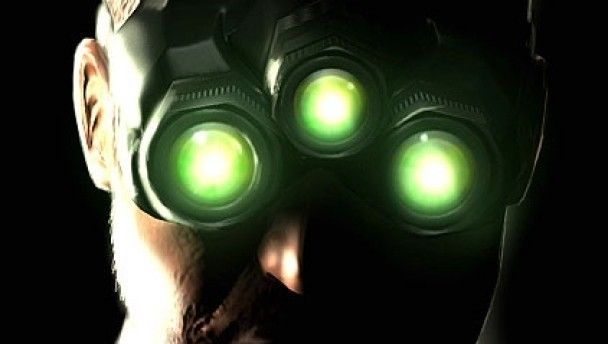
Sam Fisher sneaks onto the Nintendo 3DS in a remake of the much-loved third installment of the Splinter Cell franchise, Chaos Theory. Can 3D help reinvigorate the stealth genre?
Splinter Cell: Chaos Theory was regarded by many as the last great spy video game, scoring an incredible aggregated rating of 94 on Metacritic and earning high praise for its Spy Vs Spy-style multiplayer mode. That was a long time ago, 2004 to be exact, and seven years later, is a Nintnedo 3DS port enough to sate handheld gamers?
The third instalment of the acclaimed Splinter Cell series, Chaos Theory was first released for the Playstation 2, Xbox, Gamecube, PC, Nokia N-Gage, Nintendo DS and even had a cancelled Game Boy Advance iteration in the works before suffering cancellation.
With that in mind, are there any gamers left that haven’t tried Theory at one point or another? Sadly for 3DS gamers, the most enjoyable aspect of the original version – the aforementioned multiplayer component – has been excised. It’s a tough decision to comprehend, particularly as the fledgling handheld is already suffering from a dearth of multiplayer and online titles.
In all, Splinter Cell 3D presents players with nine missions of stealth-based gameplay, controlling the gruff-voiced Sam Fisher through pain-staking recreations of the original title environments. As a test of whether or not the 3DS can handle full ports of (albeit dated) console titles, Splinter Cell 3D passes with flying colours.
The visuals are detailed, full-voice acting is included and the game borrows the Splinter Cell Conviction’s stylised mission objectives amid Fisher’s locations. Overall, it’s a title that creates an excellent first impression, albeit one it ultimately can’t live up to.

Fisher crouched poised and ready to strike with his home-made tiny tennis ball launcher
While lengthy playthroughs reveal some excellent, 3DS-only features, such as the ability to rotate the console to use fibre optics underneath closed doors (a clever use of the console’s gyroscope) developers Ubisoft Montreal have mapped the controls in a finicky, often cramped style. For example, weapon selection has been moved to the touch-screen, while leads to panic-induced selection worries at crucial points and causes players to shift their eyes to the lower screen.
Another odd inclusion is that of a ‘Contextual Option Panel’ which offers different actions for items such as doors or med kits. When I first found such an options I, naturally enough, pressed the option I wanted, only to discover that I had to use the D-Pad to cycle through to pick my selection instead – isn’t that what the touch screen is for?
These sound like small complaints, yet in practice the game can be an often infuriating experience. In addition, the 3D effect is quite unnecessary and actually lessens the feeling of immersion – Fisher’s character pops from the screen especially, making him resemble a SNES Mario Kart-style static sprite in an ever-shifting environment at times. 
Considering the main draw for gamers to buy a repackaged (in some cases, feature-stripped) version of a 2004 release in full price is the 3DS’ signature feature, it’s a shame less time wasn’t spent optimising the scalable 3D.
With irksome controls and a gimmicky draw, Splinter Cell‘s sole appeal is that it’s source material is a stand-out spy title that has aged surprisingly well in the intervening years.
Having said that, if you’re really interested in trying out Chaos Theory in all its glory, you’d be much better off saving a few quid and seeking out the original version instead.


Format: Nintendo 3DS; Developer: Ubisoft
LISTEN: You Must Be Jokin’ podcast – listen to the latest episode now!