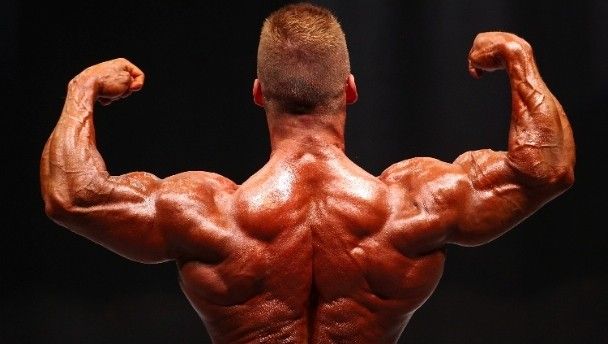

In this week’s column, fitness expert Bogdan Merkes gets myth busting by clearing the air on some well known strength training myths.
MYTH 1 – If you stop lifting, your muscle turns to fat
Fat tissue and muscle tissue have separate and completely different functions and under no circumstances can you ever convert one into the other. When someone becomes ‘soft’ and overweight after being ripped and ‘hard’, it is simply because calorie input exceeds calorie output.
This is due to a decreased metabolic rate resulting from loss of muscle tissue, which ensues when there is a lack of stimulus, as well as poor dietary choices, which ultimately, make you store the extra energy as fat tissue.
MYTH 2 – You gain muscle doing weights and lose weight doing cardio
While prolonged moderate intensity exercise, such as aerobic activity, can help slightly increase your energy expenditure, it will do little to build muscle. Without strength training, you are neglecting the best fat burning machine of all: muscle! Nothing raises the metabolic rate more effectively than muscle.
A few extra pounds of lean muscle tissue will burn approximately the same amount of calories throughout the day as will a cardio session in the gym. More muscle will make you burn more fat, even while you sleep. However, cardio will not. In fact, it is more likely that it will lower your basal metabolic rate in the hours following the cardio session.
To gain weight, increase calories consumed and build muscle through strength training.
To get lean, decrease total calories consumed to favour a more negative energy balance (burn more calories than consumed) and increase your metabolic rate by building muscle with strength training.
MYTH 3 – Spot Reduction – I just need to lose the tire around my waist
“Want to lose the gut? – Just do these sit-ups”. Well let me tell you, it doesn’t work like that at all. If you carry fat on the tummy, doing hundreds of sit-ups will definitely build stronger abs. However, it will do nothing to burn the fat covering them, so your washboard six-pack will forever be concealed behind that stubborn layer of fat. Fat loss can only be achieved from all areas of the body at once.
It is thought that the order in which specific areas are targeted by the body for fat usage is determined largely by genetics. Females tend to lose fat from the arms and upper body first, whereas males tend to utilise fat stores around the legs. As the previous myths uncovered, you need to focus on expending more calories through a higher metabolic rate created from added muscle. In fact, working the bigger muscle groups will do as much, if not more than sit-ups, to burn belly fat and everywhere else.
So how do you get rid of the love handles? Eat well and build muscle through strength training. The resulting increased metabolic rate will do the rest.
MYTH 4 – More is Better
Some think that the more you work out, the more muscle you’ll grow and the longer the workout, the better the results. Since muscle is so important as a fat burning tool, we should make no compromises to our muscular development by poor nutrition or over training. We build muscle while we rest. Over training and poor nutrition are easily the most common pitfalls.
As with most things, it is difficult to determine how much is too much, since factors such as genetics, gender, diet, sleep, training intensity, frequency and duration, all play a role. It is best to watch for the following negative effects of overtraining: a halt in progress, chronic fatigue, decreased motivation, frequent injuries and increased resting heart rate, which is measured first thing in the morning when getting out of bed. If you suspect overtraining then adjust one or more of the following: diet, amount of sleep (aim for 7-8 hours per night), training intensity, duration and frequency.
MYTH 5 – You can shape muscles by doing isolation exercises
False. Muscles can only get bigger or smaller. The shape that your muscles assume as they change in size is determined by your genetics, not by the type of exercise. However, the shape of the large muscle groups like the shoulders, thighs or back, can be changed by emphasising a certain muscle within the group. The shoulders, for example, can be given that nice heart shape when viewed from the side, by making the rear deltoid larger, but the shape that your rear deltoid will take, can only be controlled to the degree that you make it smaller or larger.
Bogdan Merkes is writing a column every Wednesday until the end of September. If you want to learn more about his services check out ultimatefitcrew.com or like his page on Facebook. Check out more articles from Bogdan on his blog atbogdanmerkes.com, and you can also follow him on Twitter. All comments/questions/suggestions gratefully accepted.
LISTEN: You Must Be Jokin’ podcast – listen to the latest episode now!