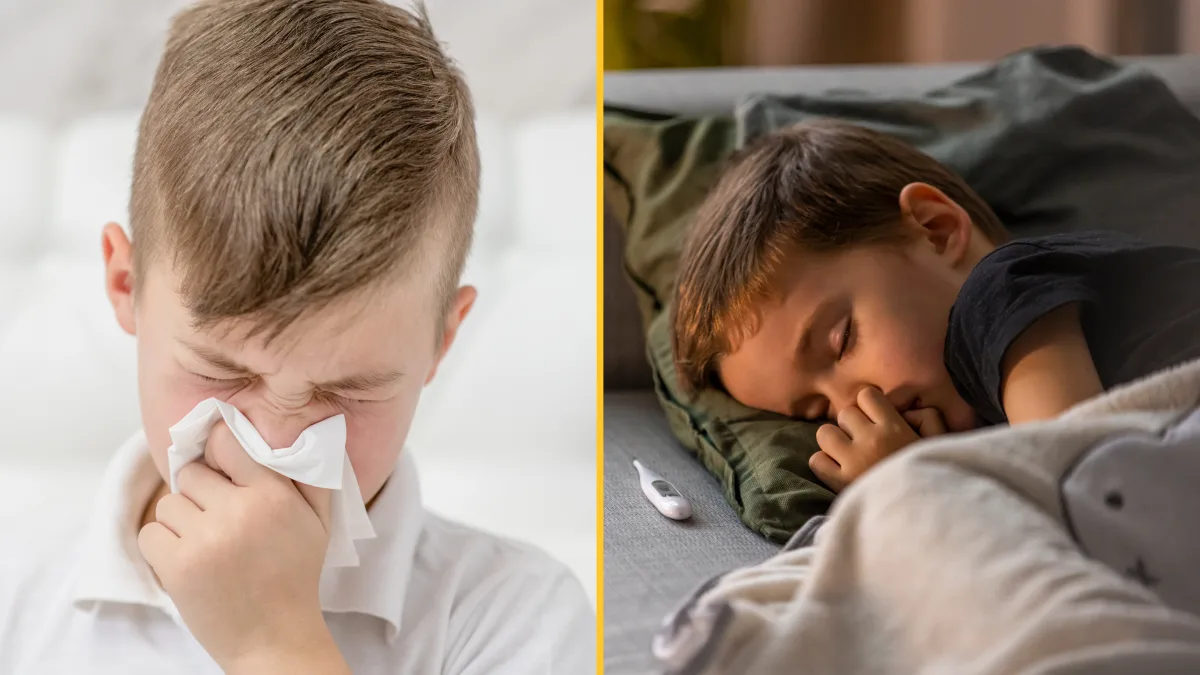
Juvenile arthritis is a condition that affects 1,000 young people in Ireland.
The exact causes of juvenile arthritis are not yet known, but the term is used for people who are affected by the condition and experience the symptoms – pain and inflammation in the joints – before they are 16 years old.
17-year old Danny De Vaal first became aware of his condition when he was seven years old, weeks before his first communion, when the pain was so bad that he wasn’t sure he would be able to walk down the aisle.
JOE: When was the first time that you noticed that something might be wrong?
Danny De Vaal: I was seven years old, a few weeks before my communion and I started to notice a rash on my leg. That was the first indication that something wasn’t quite right.

I left that alone for a while but eventually I went to the doctor and I was sent to Temple Street, where I was told it was a viral infection that would go away. After a few weeks I started to get pains but I was constantly told the same thing, that it was an infection that would go away.
One day, my mother said there must be something wrong, that I shouldn’t be in this much pain. I was kept in, but it still took six months from the time I first got the rash to when I was diagnosed with juvenile arthritis.
As it turns out, the night I was kept in, a doctor, who’s still on the team of doctors that treat me today, was on duty and noticed that my symptoms indicated that I could have juvenile arthritis, but it still took six months to properly diagnose it.
JOE: It’s an incredibly young age to get that kind of news – what happened next?
Danny: Shortly after the rash, the pain arrived and quickly began to get worse, to the extent that I wasn’t sure if I’d be able to walk down the aisle for my communion.
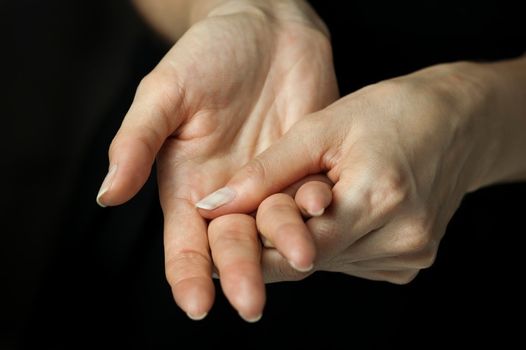
I had to give up Gaelic Football and hurling as the pain started to get worse. I was suffering pain in my wrists, my fingers, my ankles, my knees and my toes. It was hard watching everyone doing what I wanted to do and that impacted upon me a lot.
JOE: What steps were taken to treat your condition?
Danny: After the diagnosis, they put me on a drug that’s used to treat chemotherapy patients. It’s really strong, the side effects were really bad and it wasn’t helping at all.
I was on that for four or five years and though it did help to ease the pain in my joints to a degree, the side effects outweighed any pain relief I was feeling.

I was eventually put on a new injection which I’m still on today and thankfully, that works perfectly and has no side effects.
JOE: How did your friends and the people around you react to you having juvenile arthritis?
Danny: When I was in primary school, I never really told people about the arthritis. Some of my closest friends knew, they understood that I couldn’t go playing football because I was sore even if they didn’t fully understand the reasons why.
In secondary school, I use a laptop day to day because I can’t write very quickly and when I do my hands begin to swell up. For my Junior Cert, I got to use a laptop and I got an additional 15 minutes for every hour in each exam.
Everyone in school knows about my arthritis now and my friends have been really supportive and understanding. Sometimes, for example, if I have to go for a blood test, my friends will come with me for support.
They don’t understand everything but they know I’m in pain and try and help me any way they can.
JOE: You’ve had to deal with having juvenile arthritis for a good few years now Danny, so have you developed your own methods of coping with the symptoms?
Danny: A few weeks ago there was a 10k run in school and I knew myself that I wouldn’t be able to do that because if I did I’d be in a lot of pain afterwards.
Arthritis Ireland run pain management workshops that teach people how to deal with pain and teach them about what will and won’t help and they provide advice from doctors as well.

To know what you can and can’t do without pushing yourself too hard is important and I know now what I can and can’t do. In general though, I find that things like using patches and hot showers help as well.
JOE: Are there other ways you can take your mind off your symptoms?
Danny: I write a lot. I want to be a journalist when I’m older so I write a lot for newspapers and stuff like that. I do kickboxing as well. No contact, I just do it for the fitness.
I had always wanted to play Gaelic Football and hurling and they were things I had to give up when I was first diagnosed. A few years ago I thought I could go back but I was in too much pain and I might miss school for a few days afterwards so I just thought that it wasn’t worth it.
When I go kickboxing I’m around people who don’t have the same condition as myself and it definitely takes my mind off things and it’s something that I like doing.
JOE: Could you tell us a little bit about the Arthritis Ireland children/teenage events?
Danny: Arthritis Ireland put on a lot of workshops over the course of the year and a lot of teen events. I think that it’s very important to meet others the same age who are going through what you’re going through, to talk about what helps them and what helps you too.
Arthritis Ireland run pain management workshops that teach people how to deal with pain and teach them about what will and won’t help and they provide advice from doctors as well.
They also do a road trip every year; normally we go to an adventure centre in Offaly.
Up to 30 teenagers who suffer from some form of arthritis and arthritis related conditions can go and meet new people and talk to people who are going through what you’re going through every day, like how they cope in school.
It’s an adventure centre so there are things that I can do that I wouldn’t have thought I’d be able to do because of the arthritis, like rock climbing and ziplining, and it’s great fun.
JOE: If you could offer any advice to children who are diagnosed with juvenile arthritis, what would it be?
Danny: If you want to do something, then don’t let arthritis stop you. Get in contact with Arthritis Ireland, they have loads of booklets and loads of information about arthritis that can be really helpful.
You might be in a lot of pain at the start and feel like you are on your own, but over time as you work with your health care team and with Arthritis Ireland things will improve.
To donate €4 to Arthritis Ireland, text PAIN to 50300.* For more information about child arthritis check out the video below.
*100% of your donation goes Arthritis Ireland across most network operators. Some operators apply VAT which means that a minimum of €3.25 will go to Arthritis Ireland. Service Provider: LIKECHARITY. Helpline: 0766805278
LISTEN: You Must Be Jokin’ podcast – listen to the latest episode now!