In his first article for JOE, nutritionist Paul Gough gave us an introduction to sports nutrition. This time, he’s tightening the focus to talk us through the specifics of the pre-competition meal.
By Paul Gough (BSc MINDI)
There are many factors that may affect nutritional requirements for competitive events and depending on the type of event, dietary strategies would need to be individually tailored. Team based, multi-day events, ultra endurance races, weight making sports and track and field events all require a different dietary strategy before, during and after the competition. These strategies are dictated by the physiological demands of the sport as well as practical considerations specific to the sport. There are, however some general guidelines, which can be applied to all sports and situations.
Pre Competition Eating (from 1 week prior to event)
In the week leading up to an event, all that should be required at this stage is the fine tuning of your well tuned and planned eating regime and it is not the time to start making wholesale changes to your eating pattern for fear of GI upset. You should have tried and tested different approaches as well as foods and sports drinks to determine what works best for you.
It is at this stage where the main aim is maximising fuel stores, especially if you are competing in prolonged events. Generally if your event lasts longer than 70 minutes, then an element of carbohydrate loading should be considered to optimise storage of glycogen in the muscles and liver for use as fuel during prolonged exercise. An intake in the range of 7g/kg/bw of CHO is suffice. If your event is less than 70 minutes in duration, your already high carbohydrate training diet coupled with rest is all that is required to optimise fuel stores.
Tips
– Think ahead and consider solutions to problems that may arise through environmental conditions such as altitude or training in hot conditions
– If extra carbohydrate is needed over and above your daily intake, focus on more concentrated carbohydrate foods such as sports drinks and sugars
– Resist temptation to try something new. Don’t be influenced by strategies used by fellow athletes and competitors as what works for someone might not work for you
– You may need to select and focus on the most important events during the year to avoid the consequences of overtraining, which could be compounded by chronic dietary strategies
– Schedule and modify training sessions, which could damage muscle fibres, for a few days prior to competition to allow optimum recovery
– Remain well hydrated at all times and we will devote a full article to hydration in the series
Pre Competition Nutrition (the meal before)
This is the opportunity to top up your liver glycogen stores especially after an overnight fast and it also provides the opportunity to fully hydrate. The foods and drinks consumed in this period can also contribute to comfort and confidence if it is included as part of a pre event ritual or routine. The goals of the pre event meal are to:
– Continue to fuel muscle glycogen stores if they have not fully recovered or topped up from last training session
– Ensure adequate hydration
– Prevent hunger yet avoid gastrointestinal discomfort
– Include foods and practices that are important to the athletes psychology or superstitions
The pre event meal should be consumed approximately 3 hours before the competition and it should include carbohydrate rich foods, especially in the case where body carbohydrate stores are not adequate, although at this stage the muscles should really be well fuelled with glycogen from carbohydrates if you had been following the correct diet for the week prior to the event.
Foods with a low fat, low fibre and low-moderate protein content are the preferred choice for the pre event meal since they are less likely to cause GI upset. In some cases liquid meal replacements are useful for a nervous stomach. The bottom line is that an athlete should choose a strategy that suits their situation and their past experiences, and using a sports dietitian can help with their preparation. The most important guideline for pre event meals is that they should have been tested and fine tuned. The list below provides some pre event meal choices that fit the general recommendations.
– Pasta with tomato based or other low fat sauces with small portion of chicken
– Steamed rice or noodles with low fat sauce with small portion of chicken
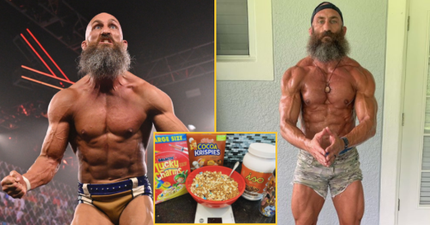
– Large bowl of breakfast cereal with milk or low fat yoghurt
– Pancakes with maple syrup
– Toast with honey or jam
– Bread rolls with sliced banana
– Baked potato with low fat filling
– Baked beans and toast
– Commercial liquid meal supplement
– Sports bars
For low fibre options choose white rice, pasta and breads.
Nutrition during competition
Carbohydrates and fluid are a necessary requirement during exercise especially if the event is longer than 30 minutes duration. This is necessary to maintain blood glucose levels and ensure ongoing hydration. Approximately 30-60g carbohydrate per hour should be consumed which in liquid terms equates to between 500 – 1000mls of isotonic sports drinks. Medium to high carbohydrate foods are the best choices such as sports drinks and jelly sweets or carbohydrate gels. Since the rules and conditions of certain sports may limit the opportunities to eat and drink, each athlete needs to look for opportunities and establish a carbohydrate and fluid plan during exercise e.g during field sports always take on isotonic fluid during breaks in play and for runners use rehydration stations and triathletes optimise your intake when cycling.
– Use carbohydrate rich drinks and compact carbohydrate sources such as gels and sweets together with sufficient fluid to meet target of 60g carbohydrate per hour
– In longer events or extreme endurance activities you may want to include solid food. Still focus on high carbohydrate low fat options
– During competition fluid intake is important and try and take every opportunity to take on isotonic fluids
– Carbohydrate ingestion during shorter events is not practical nor is it necessary, however for athletes participating in many events in the same day such as 100m sprint heats then a recovery plan is necessary.
Next week: Nutrition for optimum recovery
Paul Gough is the founder of Peak Nutrition. For further information, more specific dietary information or to arrange a free sports nutrition presentation for your club, visit www.peaknutrition.ie or contact Paul at info@peaknutrition.ie.
LISTEN: You Must Be Jokin’ podcast – listen to the latest episode now!