We just thought we couldn’t get used to the bed…
A new study has suggested that the reason we fail to sleep well in new places is down to a residual survival instinct.
If you’ve ever slept at a friends house, a hotel or gone camping the chances are you’ve woken up having had a restless and scattered night’s sleep… although in the defence of camping, the lack of sleep is probably because it’s as uncomfortable as hell.
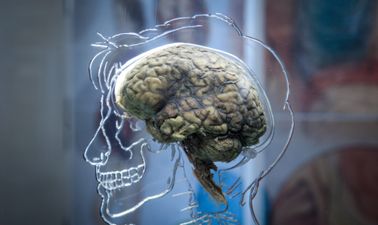
Sleep scientists Masako Tamaki and Yuka Sasaki from Brown University conducted a study on people’s brains as they slept and found that in a new environment, only have the brain sleeps, while the left hemisphere remains alert.

Sleep scientists call it the First-Night-Effect (FNE) and it has affected humans for years, but it was never fully understood before now.
The study, which can be read here, found that a person’s brain had asymmetrical patterns of sleep activity with one half of the brain remaining active, although not fully alert, and reactive to outside stimulus.
This trait is also present in some animals such as dolphins and whales who are vulnerable when asleep and need to remain alert.
The scientists are hopeful that they can discover a way to shut off this trait now they know more about it, this could be of particular use to people who travel for work.
LISTEN: You Must Be Jokin’ podcast – listen to the latest episode now!