Listen to JOE’s brand new GOT reaction show, The North Awaits, with Michael Fry & Carl Kinsella right here.
Plenty of people were wondering.
To be fair, Melisandre has consistently told Game of Thrones fans that “the night is dark and full of terrors”.
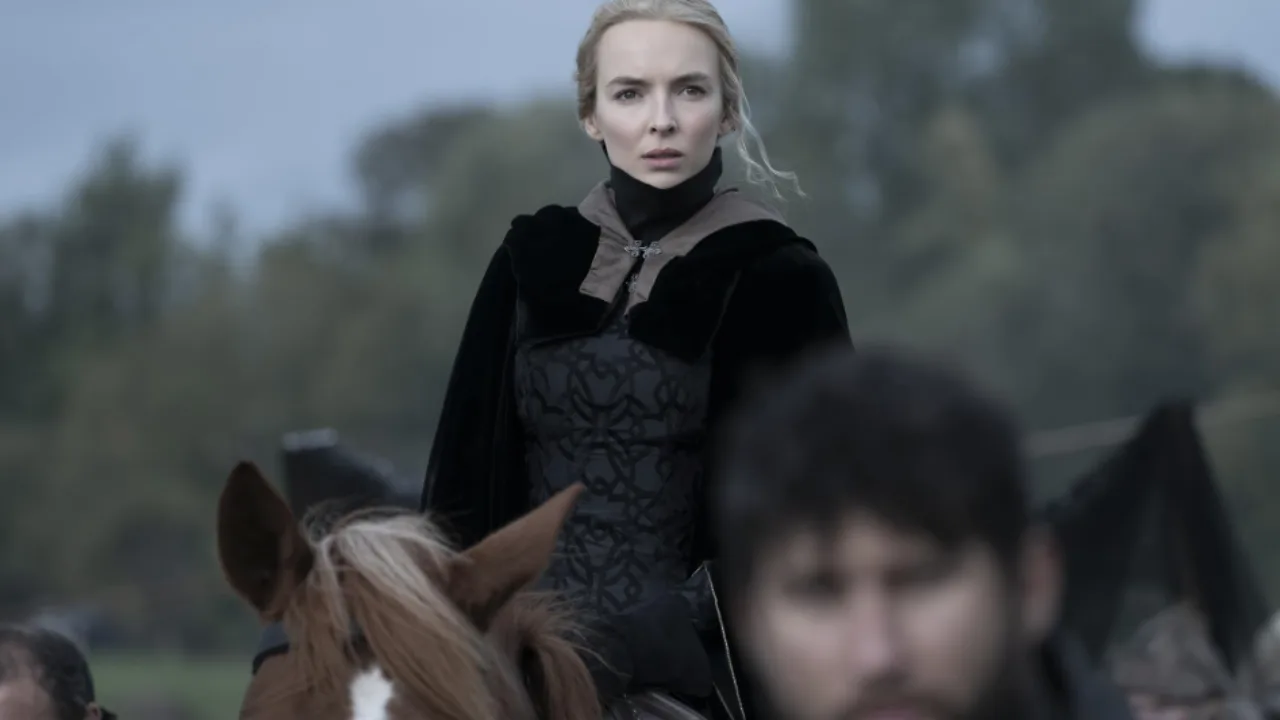
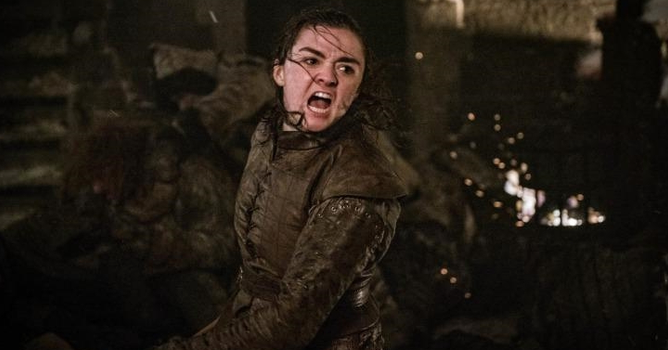
However, after the epic finale to the most recent episode, The Long Night, plenty of fans were wondering why the episode looked so dark? If you needed to calibrate the brightness/contrast levels on your TV to watch the Battle of Winterfell, you weren’t alone.
In a previous interview with Vanity Fair, the episode’s cinematographer, Fabian Wagner, said that the show is “classically” and “naturalistically” shot — this basically means that light comes from in-universe sources like “sunlight, moonlight, candlelight, and fire light”.
Essentially, there’s no artificial lighting in Westeros.
Wagner has previously shot the battles at Hardhome and Battle of the Bastards, but he said that the Game of Thrones showrunners, David Benioff and D.B. Weiss, were deliberately looking for The Long Night to have a much darker aesthetic.
In an interview with Wired, Wagner elaborated on the visuals that the Game of Thrones creators were looking for in the episode.
“The showrunners decided that this had to be a dark episode. We’d seen so many battle scenes over the years – to make it truly impactful and to care for the characters, you have to find a unique way of portraying the story. Another look would have been wrong. Everything we wanted people to see is there,” said Wagner.
As far as the lack of visibility is concerned, the cinematographer believes that some of the onus might be on the viewer.
“A lot of the problem is that a lot of people don’t know how to tune their TVs properly. A lot of people also unfortunately watch it on small iPads, which in no way can do justice to a show like that anyway,” he said.
One of the many people that braved those 55 consecutive nights to film the battle sequence was Jon Bradley (Samwell Tarly). Granted, Sam didn’t kill thousands of wights but his spirit was willing.
In an interview with USA Today, Bradley said that the darkness was beneficial for the actors because it added to the sense of panic, confusion, and chaos that their characters were experiencing.
“I thought the darkness added to the chaos and disorientation of these characters, who are fighting in the dark and don’t know what’s coming next. They don’t even know which way they’re facing and if the (being) next to them is a friend or an enemy. It reflects how the characters are feeling a sense of confusion and fighting blind, literally stabbing in the dark,” said Bradley.
Given how the episode ended with Arya and the Night King in the Godswood, Bradley’s final remark seems perfectly fitting.
Still though, Sam could have killed a few more, eh? As a result, he didn’t fare too well in the JOE player ratings after the Battle of Winterfell.
In case you haven’t seen the trailer yet, the next episode of Game of Thrones looks like it will be an absolute cracker.
Take a look here.
LISTEN: You Must Be Jokin’ podcast – listen to the latest episode now!