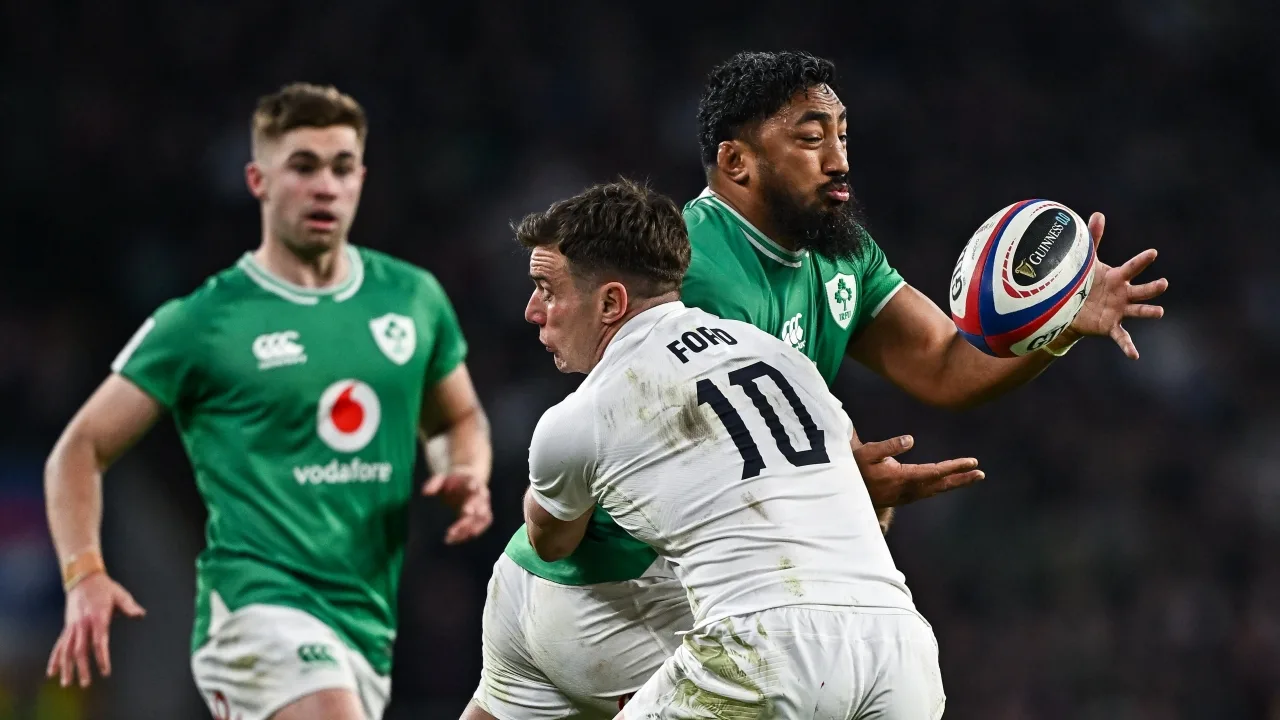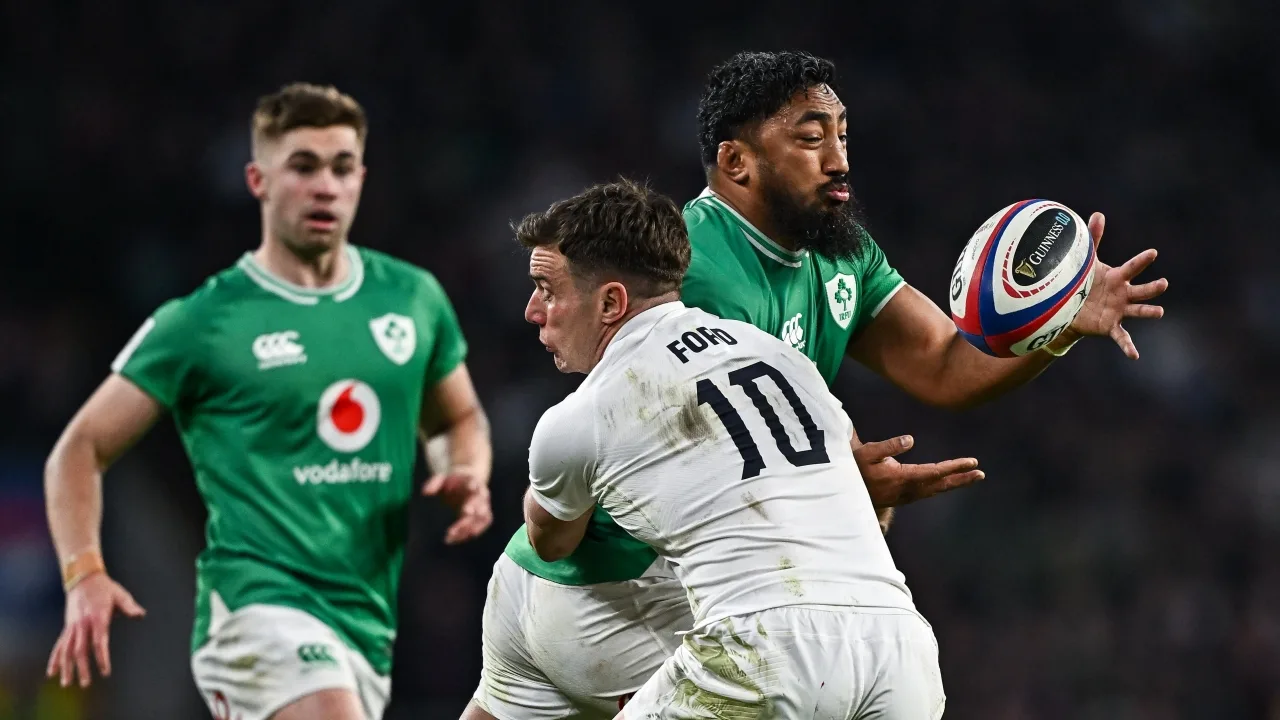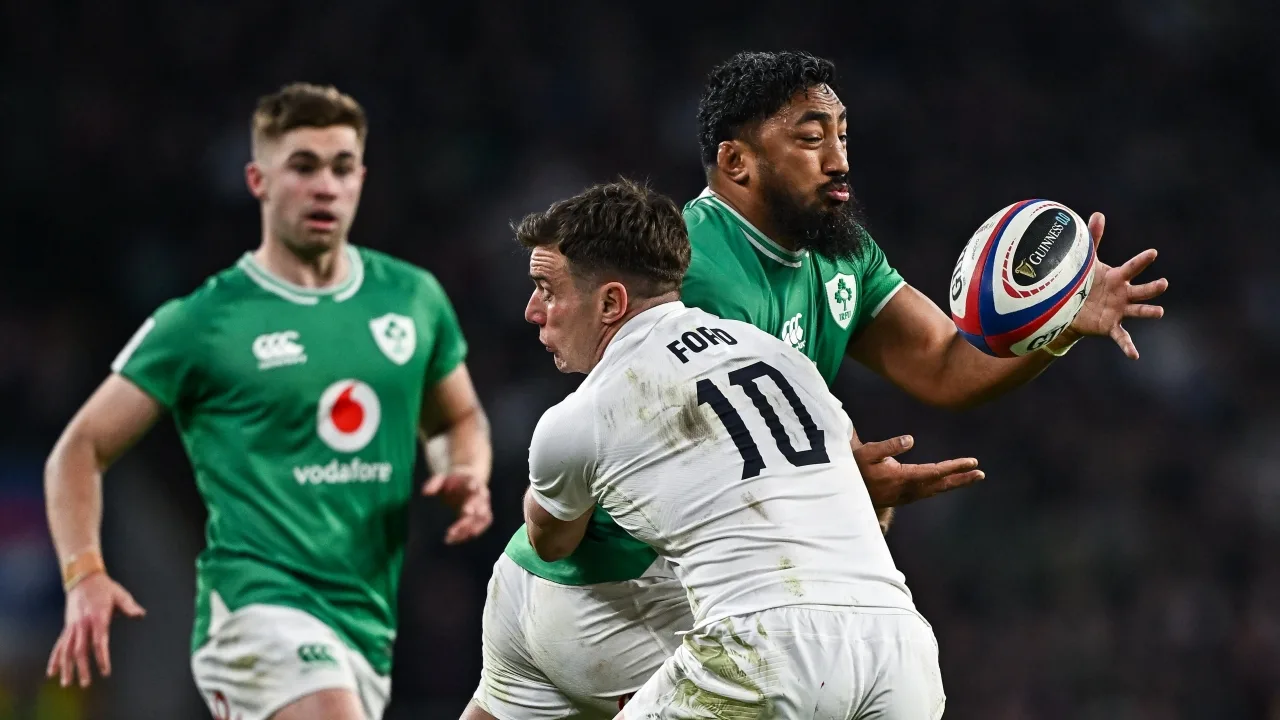
There is very little wrong with how Ireland are trying to play rugby, but there should still be changes made ahead of the Scotland match, writes Conor Ward.
Now that the dust has settled on Ireland’s agonising loss to the French last Sunday, the question is where it leaves us now as we travel to Edinburgh next week before the run-in, which will comprise of Wales in Cardiff and then taking on England at the Aviva.
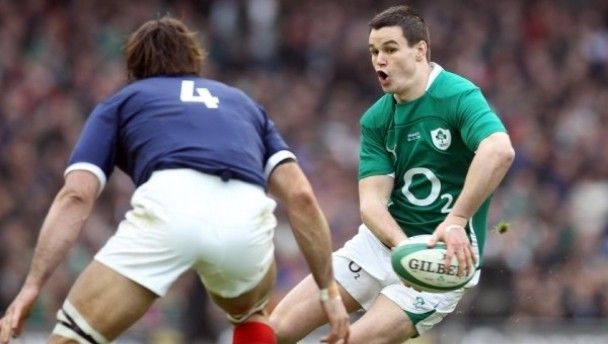
The reasons for our narrow defeat have been analysed to death already, so I’ll just touch on what I see as the key points. The error count was clearly too high, and though a lot of that was due to the physical pressure exerted by the opposition, some of it was just plain bad handling and execution. The attacking running game which revolves around Jonny Sexton at out-half is working, there is no question of that. A three-try return is proof enough.
All things considered, this next game presents a great chance for Ireland to get back to winning ways while continuing to work on key combinations.
However, he has to vary his game plan to some degree at least, which means kicking to touch every now and again so the game is played in the right area of the pitch, where conceding a seemingly innocuous penalty does not lead to an automatic three points conceded. We don’t need to bring Ronan O’Gara back into the starting line-up in order to achieve that, because Sexton is well able to do it, once he gets the balance right in terms of his decision-making. Anyway, the cameo roles of O’Gara in the last fifteen minutes are proving so effective, Declan Kidney would surely not want to give up that weapon. I’m almost certain he will pick Sexton again, and rightly so.
Result dictates analysis
The thing that always strikes me about sport and post-match analysis is that conclusions about performance are dictated almost entirely by the result. Last Sunday’s game is a perfect example. Say Sean Cronin holds onto that ball (it’s just a hypothetical now of course) and we score in the last couple of minutes – we’ve beaten France, we’re on a high, and suddenly the rhetoric is that we’ve played a blinder. And while it would have been tremendous, the actual 80-minute performance would have been the very same, except everyone would be talking about the attacking flair and the three tries, while glossing over all the flaws. I’m talking about commentators and spectators here of course, as the management and players – to their enormous credit – are far more honest with themselves.
It is a downer though, and an opportunity very definitely missed, killing our momentum in the competition. But overall, there’s significant progress insofar as the attacking ball-in-hand game plan is reaping rewards. Back it up with more astute tactical kicking, keep working on the scrum (always going to be a struggle for the foreseeable future) and cut down on the basic mistakes – then you really might have something. Not to get too far ahead, but most of what we saw last week augurs well with the World Cup on the horizon.
On the mend
The other good news is that the treatment table is being cleared over the past week. Tommy Bowe is back in training with the Ospreys, Andrew Trimble is in the Ulster squad for this weekend and Stephen Ferris could also be on the verge of a return. And with a fuller deck to choose from, I would make a few changes to the side for Scotland. I’d bring Bowe and Trimble onto the wings for starters, provided they are fully mended, largely for their physicality as well as their ability to get involved in set moves. It’s probably harsh on Fergus McFadden and Keith Earls, but these two might give us a bit more. Despite struggling last week, Luke Fitzgerald should be retained at full-back for his threat going forward.

Gordon D’Arcy is too good a player not to improve on his last two performances
Gordon D’Arcy has had a horrible couple of games by his own high standards (he’ll have had nightmares about that missed tackle on Rougerie), but I think you have to persist with a player of his calibre and trust that the form will return. He is O’Driscoll’s natural partner, and they are vital in keeping continuity in the backline. I would, however, bring in Eoin Reddan to partner Sexton at halfback, as he offers the best balance between quick passing and a running threat, as we saw O’Leary struggle with his delivery against France.
The attacking running game which revolves around Jonny Sexton at out-half is working, there is no question of that. A three-try return is proof enough.
The front row is the best available at present, so must remain in situ, but I would bring Leo Cullen into the second row in place of Donncha O’Callaghan. I’ve felt he should be a starter since the outset – he’s a clever player, a good leader and he’s probably the best man to sort out the ailing lineout. The back row is of course a tough call and much debated on high stools up and down the country. Given how well they did in a really bruising encounter against a formidable French unit, how they competed for possession and how they carried ball to such good effect, it would seem the smart call to stick with the O’Brien-Wallace-Heaslip triumvirate. That would also have the benefit of holding Ferris in reserve to do damage off the bench in the latter stages.
Scotland were nothing short of deplorable (that’s being kind to them) against the Welsh, so all things considered, this next game presents a great chance for Ireland to get back to winning ways while continuing to work on key combinations.
My Ireland XV to play Scotland in Edinburgh next weekend:
15 Luke Fitzgerald
14 Tommy Bowe
13 Brian O’Driscoll (C)
12 Gordon D’Arcy
11 Andrew Trimble
10 Jonathan Sexton
9 Eoin Reddan
1 Cian Healy
2 Rory Best
3 Mike Ross
4 Leo Cullen
5 Paul O’Connell
6 Sean O’Brien
7 David Wallace
8 Jamie Heaslip
LISTEN: You Must Be Jokin’ podcast – listen to the latest episode now!