
This week, Malcolm looks forward to the Wales game and criticises Ireland’s unnecessarily high penalty count and the malfunctioning lineout.
There has been a negative perception about Ireland’s performances in the Six Nations so far and I can understand why people are frustrated, I’ve been frustrated myself at some of the performances. I think Ireland have played some great rugby at times and shown their capabilities with ball in hand, something that has definitely stepped up a notch from the first game against Italy when they were putting a lot of balls down, which was a cause for concern.
Looking at the performances, however, you could always see that Ireland were being ambitious and have certainly improved with the ball in hand as the games have gone on. In the French game, and this was something borne out of the Italian game beforehand, the set-piece lineout struggled, which was something that really reared its ugly head in the second half of the French game when Ireland stopped getting any platform from the lineout.
With such little possession of their own, players resorted to making turnover plays in defence which inevitably led to infringement. The penalties that Ireland have given away have really hurt the team and the results and unfortunately that theme continued against Scotland.
It would be good to see Ireland actually forcing the opposition to get over the whitewash rather than letting them tap away at the scoreboard with penalties.
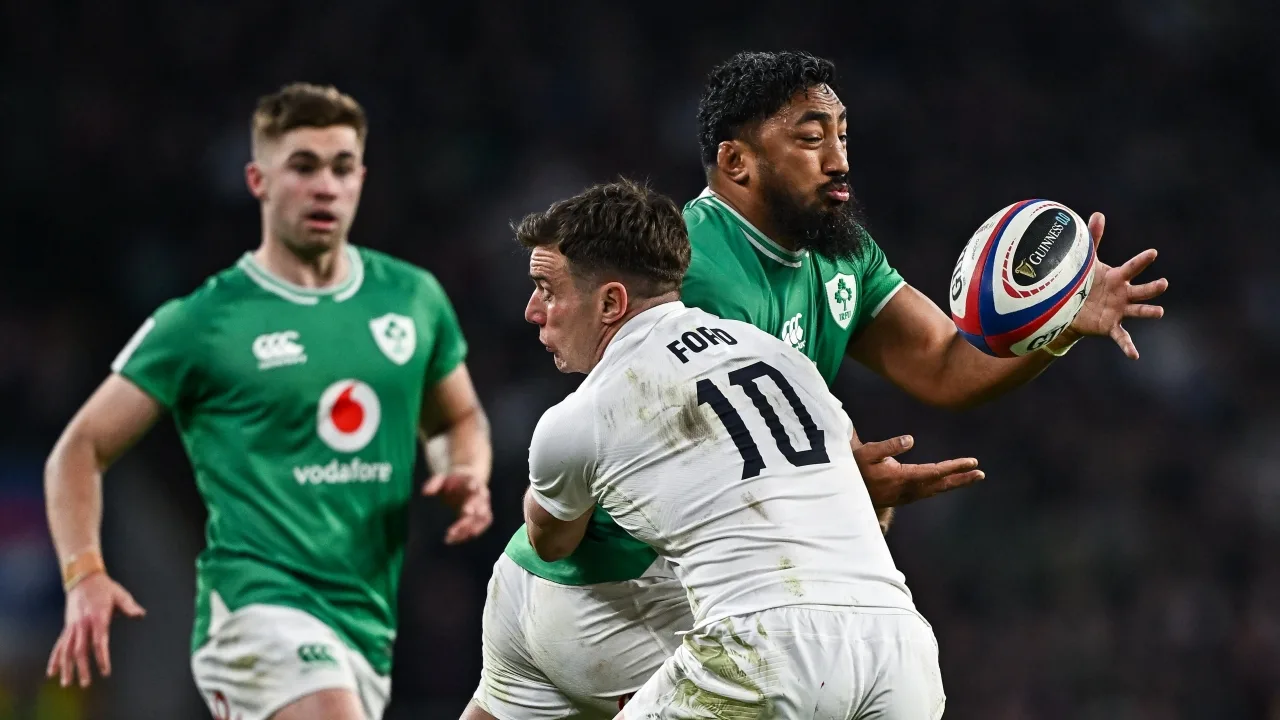
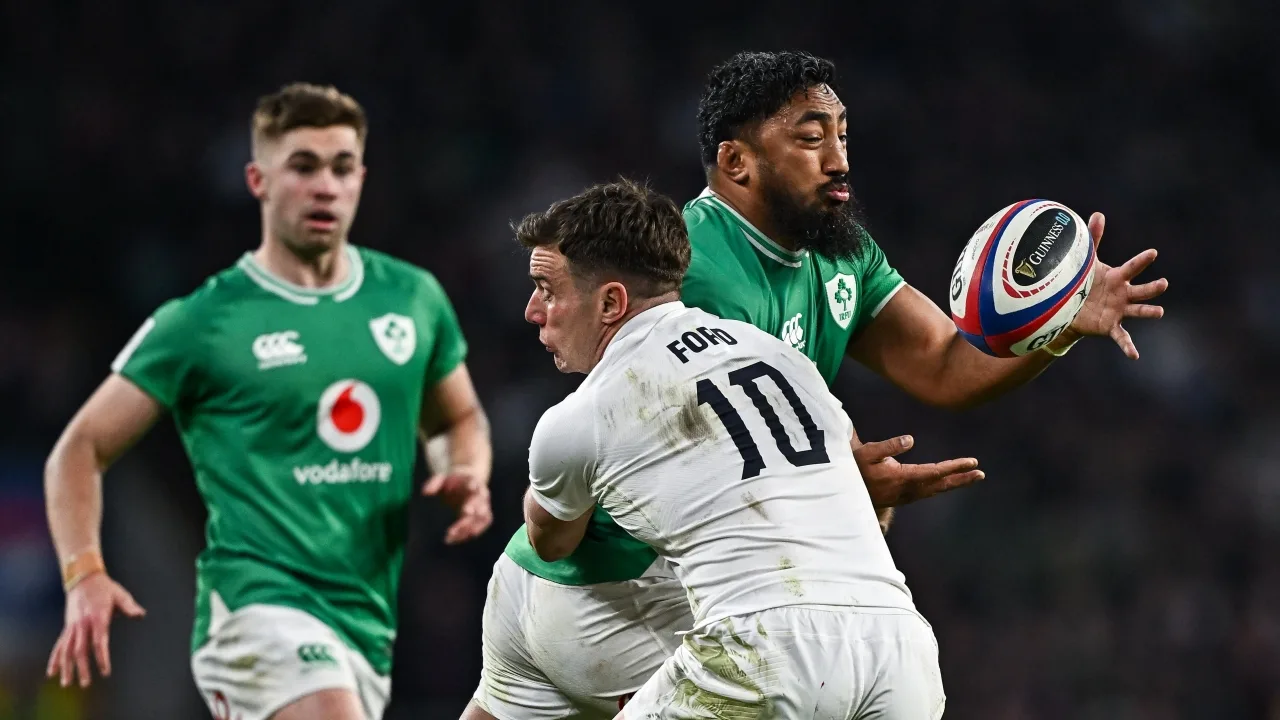
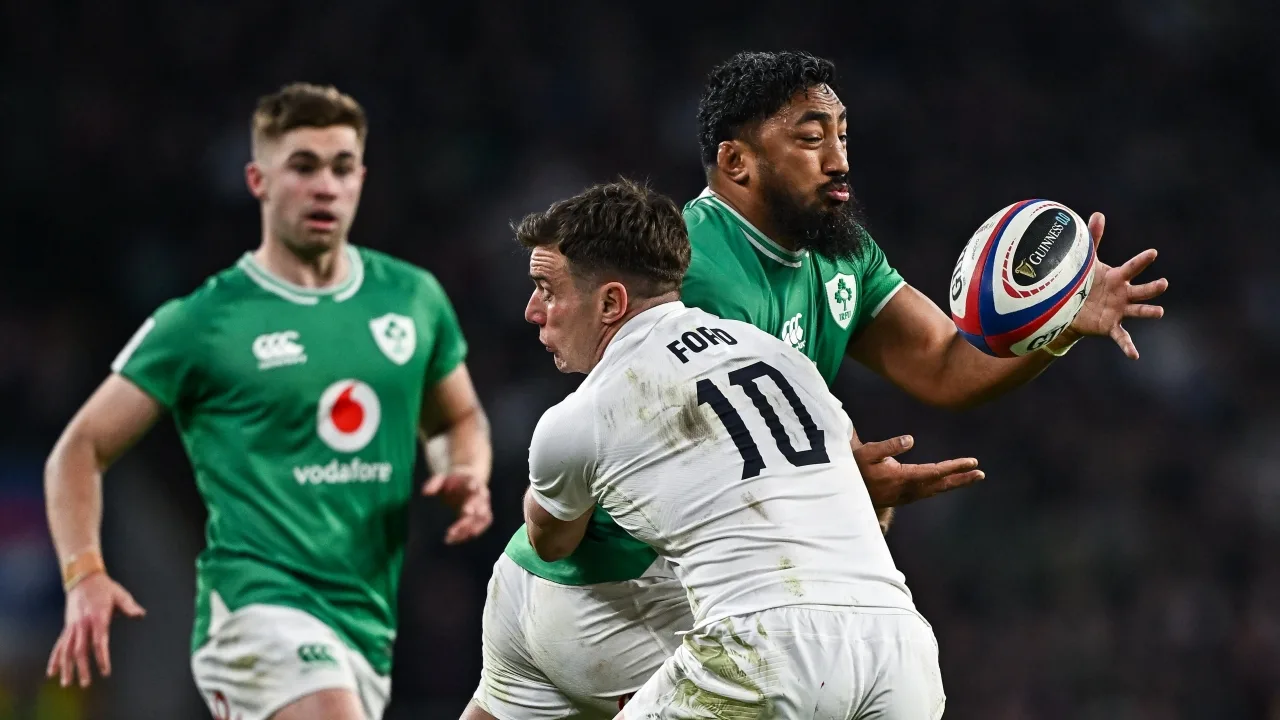
Ireland played some good rugby again with the ball in hand against Scotland, there was nice interplay between the backs and forwards, but again we gave away a lot of ball and some of that was probably down to the style of play that Ronan O’Gara adapted. He kicked away a fair deal of ball, but to his credit his kicking game was masterful and put Scotland under a lot of pressure and they coughed up a couple of tries as a result. Yet again though, Ireland’s penalty count cost us and we kept Scotland in the match as a result.
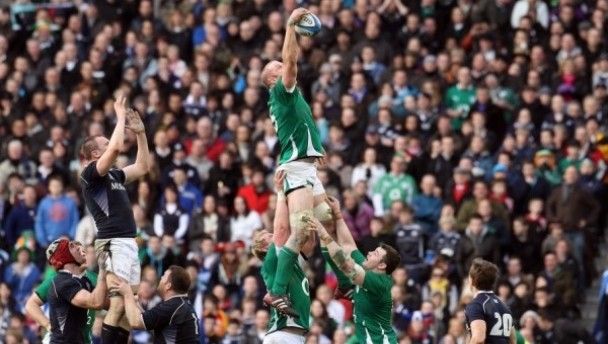
Unfortunately Ireland’s set-piece has been weak throughout the tournament and the lineout was poor again against Scotland. The penalty count has, if anything, got worse as the games have gone on and because of that, despite the fact that Ireland’s style of play has been good and we’ve been scoring tries, it’s hard to know where we stand at the moment.
Wales are in a similar position to Ireland, and next weekend, both sides will be looking for a big performance, and to grab the Six Nations by the throat. I think it’s still within Ireland’s capabilities to produce a good performance, we just need to show a bit more patience at the breakdown and be prepared to trust in our defence a little bit more. If we can reduce the penalty count, it could go a long way to tightening up our game, it would be good to see Ireland actually forcing the opposition to get over the whitewash rather than letting them tap away at the scoreboard with penalties.
Ireland paying the penalty
Ireland’s penalty count has been the subject of much debate recently and it seems to be the case that players are not getting away with offences that they might get away with in the Magners League or the Heineken Cup. I think all the other teams are adapting more easily and are prepared to be a little more passive at the breakdown; certainly they seem more controlled in obeying and understanding the referee’s take on the breakdown.
I would go as far as to say that the Irish have tried to adapt the art of poaching the ball to the new legislation but failed. A player making a tackle has little or no rights to the ball anymore and must make a concerted effort to move away and allow the tackled player to play the ball. On double hits where the tackler is dominant and the tackler remains on his feet, the tackler must release the tackled player who is on the ground, allowing the tackled player to play the ball, before he can make an attempt on a turnover play. It is in this area where Ireland are failing to adapt by attempting to release and then make a play. In the ref’s eyes, they are fouling the ball.

The talented Mr. Hook: James Hook’s versatility could cause Ireland problems next Saturday
Ireland have to address the issue and realistically will nearly have to put a ban on trying to play the ball after the tackle. It’s frustrating as well because a lot of the penalties have come at times when Ireland are trying to make a positive impact, say for example, when an opposition player has been isolated and Ireland are looking to turn the ball over. It’s not like Ireland have been committing professional fouls where they’re trying to save the team from scoring a try or anything. I think, realistically, Ireland have to readdress their philosophy in what they’re trying to do and perhaps just let the opposition have the ball and force errors elsewhere.
Lineout
Another area that is concerning is the lineout, although the stats don’t highlight the dysfunction. It is not providing a platform to attack and the formation seems to be very contestable. The Irish lineout doesn’t seem to be finding the space it is trying to create, the movement is predictable and every throw has heat on it. The goal of a modern lineout is to win the ball through speed of movement and accuracy of delivery with lifts that are 100% where the throw is at the full extent of the jumper. By creating a really accurate direct ball (i.e. to Paul O’Connell straight up in the middle) it will force the opposition to defend it, opening the rest of the lineout options with other jumpers.
There will be a menu of calls from which the caller can make a decision on depending on what he sees the opposition have shown him, the key elements for these calls to succeed are 1) a good decision 2) timing and 3) accuracy, accuracy of lift and throw. In the Scottish match, the lineout failed due to one or more of these factors failing.
On occasion, the ball went to the front and it was the correct decision, but poor execution of the lift and quick reaction from the Scottish second row, Richie Gray, made the ball unusable. Missed lifts and poor darts also cost Ireland possession at critical times. I would expect Ireland to have a new setup, perhaps a six man lineout, something that Wales won’t have seen and won’t have prepared for. I would expect there to be some new movement to bamboozle the opposition and hopefully we will see a more fluid and mistake-free afternoon in the lineout.
Wales
Looking ahead to the Wales game, a lot of people wrote off Wales before the tournament and I was probably guilty of it myself as I was unsure as to where Wales were at. But they’ve done reasonably well with two wins against Italy and Scotland. Ryan Jones has come on and is certainly returning back to where he was around the Lions tour in 2005 and is leading really well. The scrum hasn’t been as strong as expected up to now, but they now have Adam Jones to come into the mix and it will certainly strengthen their scrum over the 80 minutes
With Jonathan Davies back and Jamie Roberts there as well, the question to be asked is where to put the talented Mr Hook? Lee Byrne is a more solid and reliable 15, although another option is to play Hook at ten, although to my mind, Stephen Jones is probably better at controlling the game at ten, which Wales will need to do against Ireland, they won’t be able to run the ball whenever they want.
For me, I see Hook at 13 again with Davies coming on at some stage. They have plenty of options in the backline, and probably have more threatening players there than any of the other nations; the likes of Shane Williams and Morgan Stoddart are supreme finishers and break the gain line a lot for them.
The front five is one area where they haven’t been as strong as they might have expected, but they have still managed to do reasonably well and the return of Adam Jones might strengthen them up in the scrum. Overall, Wales are a pretty tight outfit and I suppose the main selection areas will be around the three quarters and at ten, It will be interesting to see what way they go about it. If Ronan O’Gara is selected for Ireland they may well look at it as an opportunity to go down his channel, but we’ll see on Saturday.
Lack of options for Ireland
I can’t see there being many changes to the Ireland side for the game. Up front, there’s no one really knocking at the door there, especially with Leo Cullen taking a bit of a bang in the Magners League match against the Scarlets on Friday, he won’t be on board until late in the week so I can’t see them making a change in the pack.
The issue then is your half backs – Tomás O’Leary is back in the fray after his injury and will be pushing for selection and at ten Deccie will have to decide whether to stick with Ronan or go with the more physical Jonathan Sexton. They’re the only bones of contention really, I think it will be the same team besides; they don’t have many other options to be fair.
Playing at Millennium Stadium should bring back great memories for Ireland after the Grand Slam in 2009; it’s an absolutely great stadium, one of the best around, especially when the roof is closed. I haven’t been there as a spectator, but I certainly will go in the next few years.
Putting my head on the block, I just don’t know if Ireland will be able to find their mojo as they will certainly need it. I feel ashamed about saying that, but there’ll be nothing in it as I expect it to go to the wire. It will be a fascinating encounter and I sincerely hope I’m proven wrong, that’s for sure.
LISTEN: You Must Be Jokin’ podcast – listen to the latest episode now!