The march of the UFC towards total dominance of the international MMA scene continued apace this week, with its purchase of rival promotion Strikeforce. JOE’s Fergus Ryan looks at what the move may mean.
In its quest for global domination the UFC has made another bold move by acquiring its main competition in North America, Strikeforce. Whether it’s good for the sport only time will tell but the deal is unlikely to mean plain sailing for fighters or fans.
Since the watershed moment in 2005 when The Ultimate Fighter made mainstream media more aware of MMA, the UFC has moved from strength to strength. Lost in the popularity of the sport is how active the UFC have been in acquiring competitor promotions – not all the growth so far has been organic.
It started in 2006 with the purchase of the World Extreme Cagefighting organisation and was followed in the same year by the purchase of the fledgling World Fighting Alliance promotion. The WEC, which concentrated on the lighter weight classes and had its own TV deal, was left to function as normal, while the WFA roster of fighters was folded into the UFC bringing the likes of Quinton Rampage Jackson, Lyoto Machida and Martin Kampmann into the UFC.
The acquisition of the Japanese promotion Pride Fighting Championship in 2007 was the UFC’s global coming out party and backed up its claims that it was heading towards taking MMA as a sport to global dominance.
Strikeforce will have its talent folded into the UFC ranks, leaving no need for co-promotion.
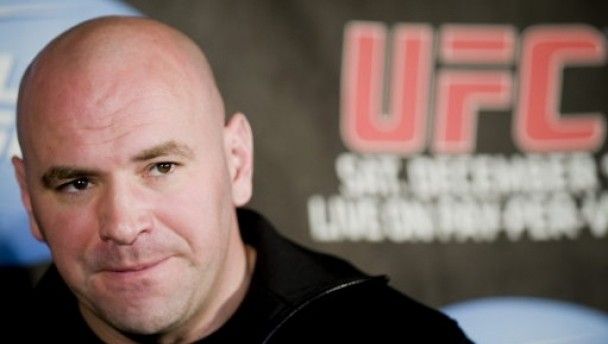
What happened with the WEC and Pride is a preview to what Strikeforce can expect. In a 20 minute interview when the news was announced, UFC president Dana White repeatedly stated that Scott Coker would continue to run Strikeforce as he has been running it, which is what we would have heard about the WEC and Pride. The UFC claimed at the time that it was more about the heavier weight classes and that Pride title belts would still stand as legitimate titles within the UFC. We now know this was more a case of the promotion identifying road blocks before ultimately removing them.
In the same interview in which he endorsed Coker, White also said there would be no co-promoted events between Strikeforce and the UFC, and that there would be no super-fights between the respective promotions’ champions. All this sounds familiar and in reality we know how it will play out – Strikeforce will have its talent folded into the UFC ranks, leaving no need for co-promotion. Once this occurs, cue the super-fight to unify any belts, as occurred with the Pride titles and will happen with Anthony Pettis and the winner of Maynard/Edgar 2.
This deal has some serious pluses for the sport of MMA and for the UFC brand. Strikeforce currently has a network television deal with CBS and Showtime allowing their events to be broadcast on mainstream US TV. It also allows the UFC to continue on its aggressive global expansion path through Strikeforce’s ties with Japan.
A monopoly in any market is not good and the UFC is effectively now just that in MMA.
The move makes Strikeforce a legitimate destination for unsigned talent as the promotion’s future, in whatever form it may take, is now secure. It also provides an avenue for fighters looking to make it back to the UFC without the drudgery of touring the smaller local show circuit.
On the downside, a monopoly in any market is not good and the UFC is effectively now just that in MMA. Fighter salaries will be based on what the UFC/Strikeforce thinks they are worth as there are now no other promotions that can offer the big money pay days or bring legitimate competition for talent.
In the past, the likes of Dan Henderson left the UFC to sign for Strikeforce when money became an issue. This will no longer be an option. Also, in addition to Hendo, the likes of Paul Daly, Josh Barnett and Fedor Emelianenko may struggle to get into the big show as they all have some previous with the UFC’s main man, White.
It’s easy to be critical of the UFC when the firm is the sport’s trail blazer. But it’s important to acknowledge it is taking MMA where all other promotion in the world cannot – into the mainstream consciousness.
It may be premature to criticise the promotion’s monopoly status when it has been using it to the good for MMA so far. Given the fate that has befallen previous promotions that shot for the stars – International Fight League, Elite XC, Afflication – it’s better to have one viable, quality promotion than many struggling, inconsistent shows; for all concerned.
Fergus Ryan
LISTEN: You Must Be Jokin’ podcast – listen to the latest episode now!