By Leo Stiles
When the first iPhone was released it took the world by storm by redefining what a phone could do. With its touch screen, internet connection and vast library of apps, the iPhone, like the iPod with personal music players, quickly became synonymous with the smartphone and for a while that’s all people could talk about.
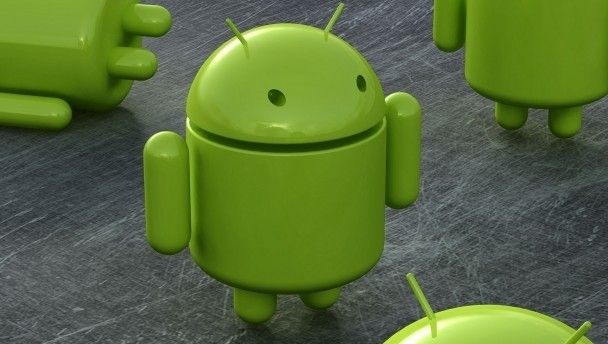
The last few years have been a different story and have seen, with little fanfare, the rise in popularity of phones running Google’s Android. This operating system is the first real direct challenge to Apple’s dominance, and in just over two years Android has carved out a 10 per cent market share, much of it at the expense of the iPhone.
Here at JOE, we have been guilty of iPhone obsession, but with the arrival of amazing-looking phones such as the Sony Ericsson X10 and the HTC Desire, we thought it was high time to give Google it’s due and tell you why you should be considering an Android-powered mobile.
The hardware is great
This is the most visible advantage to owning an Android phone because unlike Apple’s flagship device which is only updated once a year, new handsets sporting Google’s OS seem to be cropping up on a monthly basis.
These handsets offer a variety of features, from 8 megapixel cameras and HD screens to huge memory capacity and support for 4G networks. Whatever you want your phone to do, it’s looking increasingly likely that an Android phone will have the features you are looking for and can be a no-compromise alternative to the static phone from Apple.
The iPhone used to lead the pack in many respects and even with the iPhone 4 once again capturing the imagination of the public, we suspect it won’t be long until an Android handset pops up to steal its thunder( hello, HTC Evo).

They Support Flash
The very public spat between Steve Jobs and Adobe is problematic for iPhone users because the richest content on the internet is built upon Flash, with almost all embedded video and interactive images using the plug-in.
Apple claims that they rejected Flash on the basis that running it on a phone would cause performance issues and that because the technology was owned by a third party it would prevent them from innovating in the future. Instead the company is supporting the next version of HTML (the code that the internet is built on) which will have video and audio built in to the code, negating the need for Adobe’s plug-in. The problem here is that HTML5 is a couple of years away from being nailed down as a standard, so Adobe’s stranglehold in this area will not be relinquished for some time.
The latest versions of Android do support Flash and on higher end phones such as the HTC Desire, Flash performs without much trouble and delivers the internet just as it is on a PC. This makes the holes in web pages on the iPhone all the more frustrating and mystifying, and gives a clear advantage to Android as the operating system of choice.
It’s Open Source
The single greatest strength of Android is that it is open. Developers are free to use the operating system to experiment and create applications and functions that are unique and free from the often draconian approval process that is used at Apple.
While every iPhone might look the same even down to the home screen, Android phones look vastly different to one another, sometimes because of the way it has been put together and often because Android lets users customise much of their experience. For example, the home screen on an Android phone can be as cluttered or as minimalist as you like and even display floating widgets that deliver weather forecasts or news feeds.
The Apps are great
This is where the battle for smartphone supremacy will be fought. And even with Apple’s huge headstart in this area, the war is by no means won. From fairly humble beginnings, the Android app store has grown to more than 30,000 apps. Apple fans might crow that they have access to 240,000 apps but they neglect to mention that most of these apps are rubbish and there are more than a few clones.
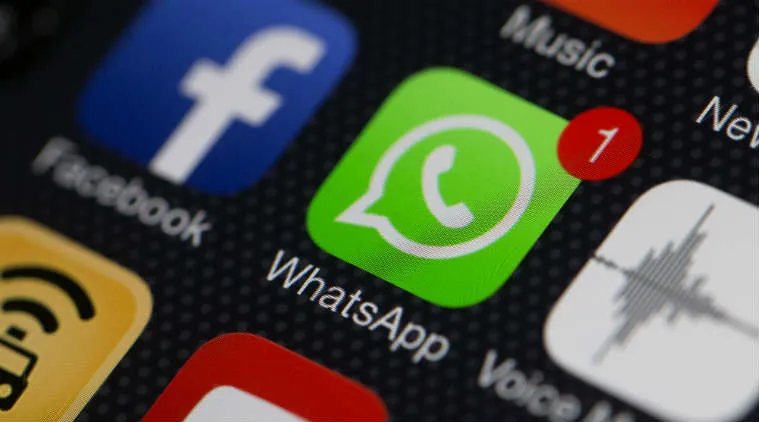
Most of the bigger apps like Facebook, Shazam, Digg, and Google Earth are available and nearly 60 percent of the Android Store is free as opposed to just 27 percent of apps in the Apple store (and the other 73 per cent have become increasingly more expensive with the launch of the iPhone 4 and iPad).
Android apps don’t have to clear the hurdle of Apple approval, a process that has shot down some great software for reasons that are barely logical such as duplicating functionality of the phone. The process can also take months to complete.
Besides the official Android app store, a number of other stores have sprung up on the web in order to fill the gaps in the official offerings, a practice that Google has barely raised an eyebrow at and gives a huge amount of independence to developers. Predictably there has been a massive surge in porn apps as filth peddlers rush in to fill the gap that doesn’t exist in the Apple store, but it also means that talented developers have brought all their software under one roof where new additions can be found with ease.
A word of warning
Not everything is rosy in the Android garden, with the open nature of the platform already giving us a number of viruses that range from irritating adware to device-bricking Trojans and worms. This has already seen antivirus software pop up on the app store and perhaps indicate the way things are going to go in the future. While Apple may be castigated for its closed shop approach to apps, the thoroughness of their approval process has not seen a single virus on their app store and has protected both their brand and the iPhone user experience.
The variety of handsets has also fragmented the versions of the OS out there with some handsets supporting the latest version of Android and some only supporting previous versions due to hardware limitations.
This has led to a serious lack of consistency across the range, with navigating the basic phone functions on a Nexus 1 being completely different to doing the same on the HTC Hero and may well frustrate users as they continually have to relearn their phone when they upgrade.
Lastly, the sad fact remains that the apps on an iPhone just look better due to the unified user interface at the heart of iOS4. Apart from the bigger names, many of the apps on Android look a bit amateurish, something that can be off-putting especially if you have migrated from an Apple phone.
Setting aside the issue of viruses, there is no reason why Android can’t grow to be the equal of the iPhone and provide some much needed alternatives for those that don’t want to line the pockets of Steve Jobs, or just to those who fancy a change.
LISTEN: You Must Be Jokin’ podcast – listen to the latest episode now!