In a post-PC era, marketing has become more social and mobile than ever before. Here’s how to take advantage of the new opportunities afforded.
by Des Martin, TheSearchMill.com
Social. Local. Mobile. These are the fastest growing trends in marketing today and are likely to stay for some time.
In terms of media consumption, they’ve come to dominate consumer attention. In terms of targeting and communication, they’ve opened amazing advertising opportunities for businesses. In terms of data and measurement, they are reinventing marketing. And in terms of technology, they are disrupting entire industries.
The convergence of Social, Local, and Mobile is often referred to as the ‘SoLoMo’ phenomenon. Remember the term; you are likely to be hearing lots about it in the foreseeable future.
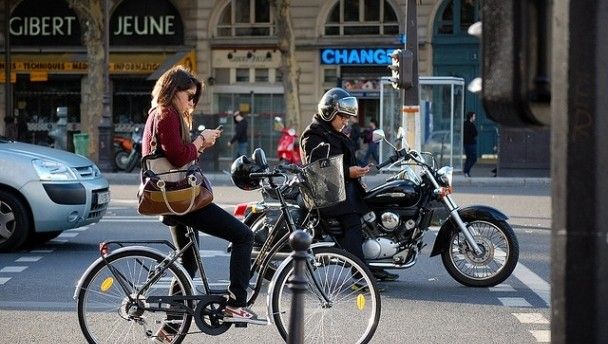
For the first time, brands can tie social and mobile engagements directly to offline transactions. The fundamental driver of SoLoMo is smart phone adoption. Millions of smart phones and tablets are being activated every day, signifying the beginning of a post-PC era.
For a business, the smart phone represents an opportunity to reach consumers at key times in the purchase decision-making process. Knowing consumer’s location and visit time is the best predictor of their intent to buy.
Location-Based Engagement: The New Channel
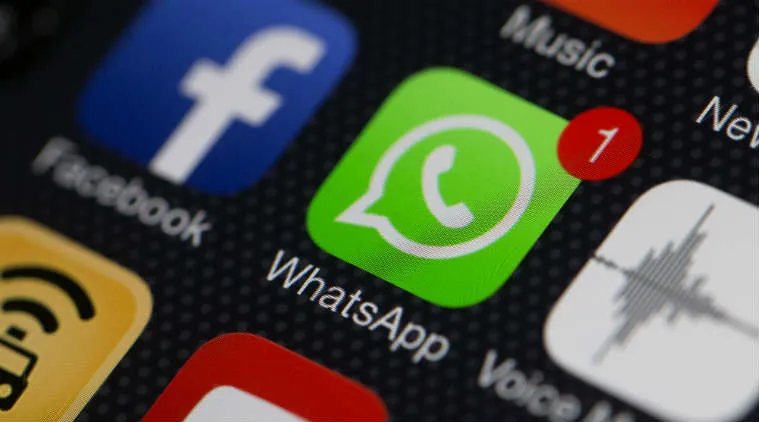
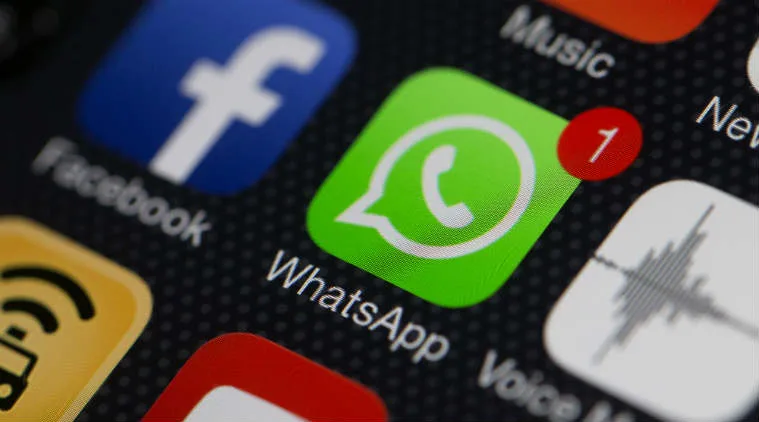
Engagements like check-ins and tagged tweets are being shared with a consumer’s social connections via Facebook, Twitter, Google and/or Foursquare. What most retailers do not realise is that this activity is happening organically around their store locations every day.
Consumers are increasingly sharing their experiences, which often include brands and places, and brands should encourage this behavior and use it as a marketing tool.
The location-based marketing (LBM) channel presents unparalleled opportunities for marketers. It encompasses social media, direct marketing, consumer research, customer relationship management, loyalty, couponing, content, brand management, inbound marketing, search, customer acquisition, and more. Here are some examples:
Transforming Retail
Ads and offers that integrate time and the consumer’s location generate considerably more business than a generic advert. For example, half price lunch for people that check-in on Facebook or FourSquare after 2.30.
This helps restaurants to extend the hours of lunch time trade and also ensure any unsold lunches fly out the door. This can be applied to all manner of retailers, to promote flash sales, move last season’s stock and promote new products in store.
Geographic Targeting for Impulse Items
Geo-targeting works particularly well for local businesses that sell low-cost, impulse items. You can now let prospects know about your offer when they’re in the vicinity, but few people are going to drop by for a last minute mortgage or wedding dress.
Think about what you can offer consumers on the spot – like a cup of coffee, a complementary gift or free 15 minute fashion consultation.
Targeting a Geographic Niche
Usually ads are designed to reach as many people as possible. Even online targeted ads have a wide reach. But when you’re looking for hungry people near a certain street in Dun Laoghaire, that really narrows the field.
The benefit? You’re not paying for people outside of the “catchment” area to see an ad for a restaurant in Dun Laoghaire.
Des Martin of TheSearchMill.com is the Search Engine Optimisation & Pay Per Click Marketing lecturer for the Digital Marketing Institute. If you’d like to learn more about using location-based marketing and other social media opportunities for your business, get in touch with the Digital Marketing Institute.
LISTEN: You Must Be Jokin’ podcast – listen to the latest episode now!