We may have been enslaving and consuming animals for millennia, but it seems they only have love to give. The unique attributes of various fauna are being utilised by doctors attempting to treat and detect an ever-increasing number of conditions found in humans.
By Robert Carry
Next time you find yourself in hospital it could be an animal, rather than a doctor, coming to your aid. Modern medicine is turning to the animal kingdom for help in the fight against disease. Here are five of the top bio-medical recruits.
Canine cancer detection
Canine cancer detection first came to light back in 1989 when certain dogs displayed a sometimes stunningly accurate nack for sniffing out tumours in humans. A handful of patients reported that their dog repeatedly attempted to sniff a part of their body before exhibiting signs of distress or concern. When they went to the doctor, they found they had a tumour in the part of their body indicated by their pet.
A battery of clinical trials were ordered and some, although with admittedly small sample sizes, recorded success rates of up to 99 per cent in detecting lung cancer. Scientists found that some dogs can in fact use their highly developed olfactory ability to detect very low concentrations of the alkanes and aromatic compounds generated by tumours.
It is hoped that with further study, dogs will be as important and widely used in cancer detection as they are in drug detection.
Maggot therapy
During World War I, a soldier was brought to hospital after being left for several days on the battlefield with no food or water and with compound fractures of the femur and large flesh wounds of the abdomen and scrotum. Doctors were amazed that he had no signs of fever or infection. The reason was discovered when his clothes were removed. Medics noted that thousands of maggots were feasting on his wounds.
The man’s wounds had been picked clean of all infected flesh while the living bone and tissue had been left entirely alone. The soldier survived – at a time when even a standard compound fracture meant death in 75 to 80 per cent of cases.
The practice of using maggots has in fact been used in certain cultures for millennia and again became quite common in American hospitals in the 1940s. With the popularisation of antibiotics, however, it was viewed as outdated and largely abandoned.
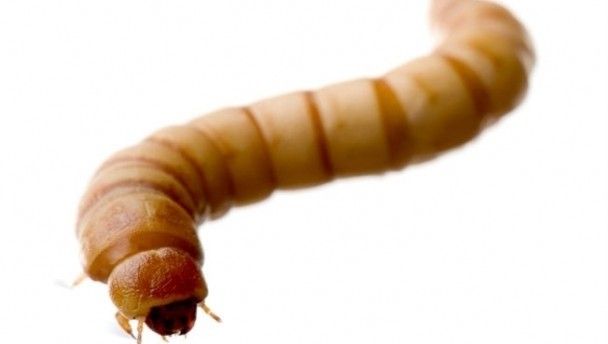
With the rise of anti-biotic resistant bacteria however, it is once again being looked upon as a potential saviour. In a 2007 preliminary trial, maggots of the green bottle fly were used successfully to treat patients whose wounds were infected with some of the most aggressive forms of MRSA. The maggots cleaned up the already dead tissue and prevented further infection spread in the patients.
Leeches
Leeches began to be put to medicinal use when their value was discovered by Abd-el-latif al-Baghdadi in the 12th century. The medic noted that they were useful for cleaning the tissues after surgical operations. He also recognised that there were risks involved in over using leeches and advised patients to clean them thoroughly before use. In a recognition of the fact that leeches can trigger increased bleeding, al-Baghdadi also suggested salt be sprinkled on the area in order to stimulate clotting.
Although the use of leeches had fallen out of favour by the 19th Century, they have of late been making a comeback in microsurgery. They are now regularly used during surgical procedures as a means of preventing blood coagulation, to relieve venous pressure and in reconstructive surgery as a way of stimulating circulation in reattachment operations involving the likes of fingers, toes and ears.
Helminthic therapy
Scientists have mused over the fact that auto-immune diseases are far more common in industrialised societies than they are in developing nations for decades. Studies have of late, established that parasitic infestation, far less prevalent in the more sanitised West, has a protective role in autoimmune disease development.
The discovery prompted the development of helminthic therapy – the treatment of autoimmune diseases and disorders by means of deliberate infestation with parasitic worms. Deliberately giving a patient a Helminths are parasitic worm infestation might sound odd, but it has proven results.
In the US and elsewhere, doctors are increasingly treating patients with the larvae of hookworms and whipworms in a bid to tackle a range of conditions. They have been shown to be an effective treatment for Crohn’s disease, ulcerative colitis, inflammatory bowel disease, multiple sclerosis, asthma, eczema, dermatitis, hay fever and food allergies.
Ichthyotherapy
Residents of Kangal in Turkey noted that certain species of fresh water fish found in their region were happy to feed on the dead skin found around wounds and on areas affected by skin conditions. They decided to scoop them up, bring them to specially constructed fresh-water pools outside their bath houses and let them do their thing.
People with leg ulcers and psoriasis found their conditions were much aided by the process and at times completely healed by regular use. The benefits are believed to stem from the fact that once the dead skin has been removed, the healthy skin is given the space to grow.
The species, called the garra rufa or doctor fish has of late been enjoying something of a surge in popularity.
In 2006, doctor fish spa resorts opened in Hakone, Japan, and in Umag, Croatia, where the fish are used to clean the bathers both with and without skin conditions. There are similar spas in resorts in China, Belgium, the Netherlands, South Korea, Singapore, Hungary, Slovakia, India, Thailand, Indonesia, Malaysia, Philippines, Hong Kong and Bucharest.