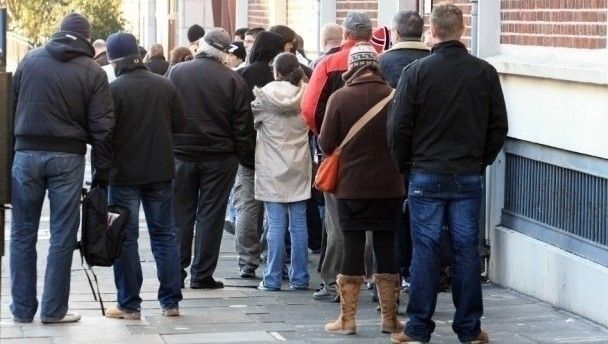
There seems to be a lot of talk about dole cuts today, but what exactly is being cut and how many people will it affect?
So what’s the story with the dole being cut?
Well first off, the dole itself isn’t being cut, so the majority of people have nothing to worry about. The cuts will affect those who basically couldn’t be bothered to go out and look for work.
‘Couldn’t be bothered?’ Seriously?
Yes, seriously. In order to continue to receive Job Seekers Benefit you have to prove that you’re actually looking for a job – and not just saying you are, however, some people simply couldn’t have been bothered to do that. So now they’ve had their dole cut…
So how many people will it affect?
In total, 1,275 job seekers have had their weekly pay-out cut since last April, because they’ve failed – while some literally ‘refused’ – to look for training, jobs or interviews.
How much were they cut by?
There were different rates of cuts for different people as some are receiving the maximum €188 per week while others are receiving much less. The cuts are of up to €44 per week for the highest rate of benefit, while those on the lower rates received smaller cuts in line with whatever they receive weekly.
I can imagine there’s a fair few people p*ssed at the news?
Well, we can only imagine that anyone who was cut is feeling the sting now, but there’s not much they can do about it. According to the Irish National Organisation for the Unemployed, penalising those who are unemployed should be a last resort. So as you can see they’re not totally against the idea, once it’s used to weed out those who ‘refuse’ to look for work. It makes sense really. They also said, “it’s very important that it’s done on a case-by-case basis.”
So what excuses are being made?
Sadly, there isn’t any information available for what exactly some of the excuses for ‘refusing’ to look for work were, but there have been a number of calls for extra training services, so maybe there’s just not enough education around.
Brid O’Brien, spokesperson for the INOU, said that education was the biggest issue for the unemployed and the number looking to take part in training courses was far greater than the number of training places available.