Before UFC1 Karate masters were to be feared – everyone knew they could kill you with a finger strike.
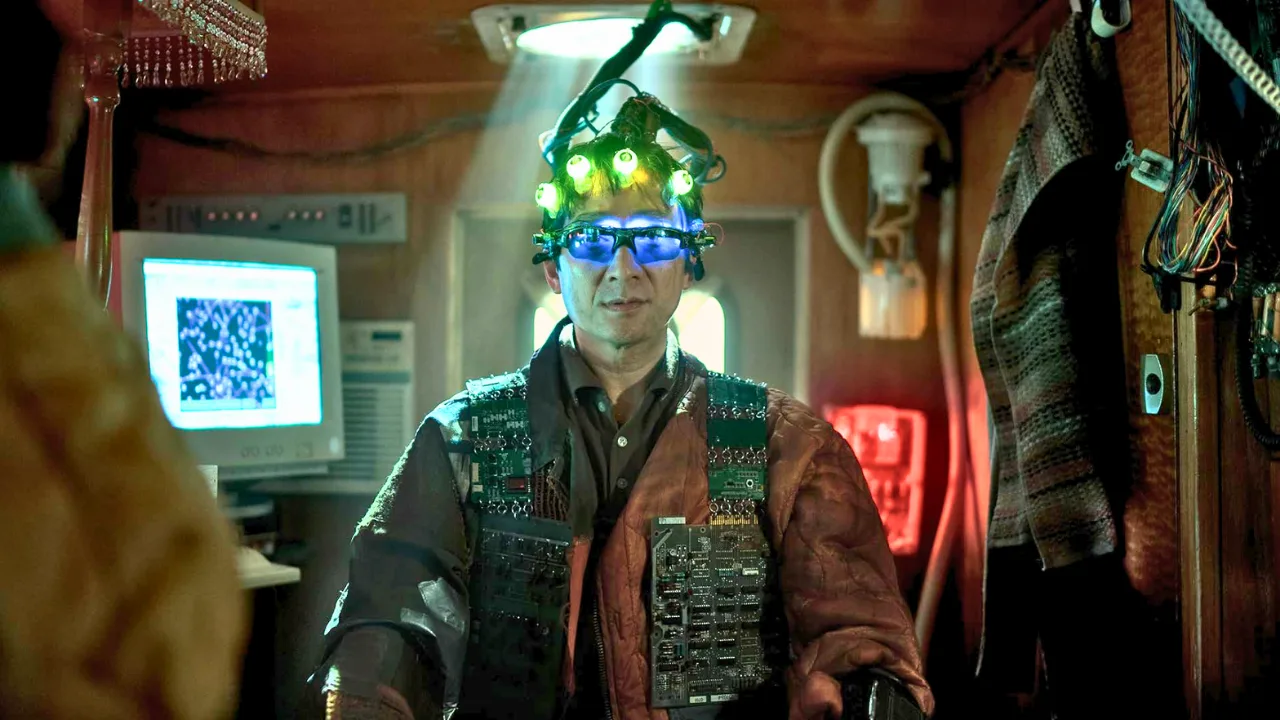
The threat of techniques similar to the Kill Bill Five Point Palm Exploding Heart Technique struck terror into the heart of grown men. UFC1 put centuries of outrageous claims to the test and martial arts as we had always known them were shown up as ineffective.
This might have been down to how traditional styles had been taught, or because the disciplines in themselves were incomplete and ignore large aspects of fighting such as the clinch or groundwork.
Witnessing Daniel-son teaching the local riff raff a thing or two as a youngster prompted me to attend a kung fu class based on the Wuzuquan system. Needless to say, there was a lot of breathing exercises, punching thin air and fearsome yelps.
While I didn’t stick around long enough to ‘master’ the art, it quickly became apparent that there was a noticeable lack of sparring, pad work and indeed anything resembling reality. Even then I recognised sparring as an essential component for professional fighting which allows fighters to find what works best for them.
In its absence, fighters don’t know how the techniques work under pressure or how to time the execution of a given move. No matter how good your cardio is, sparring is a shock to the system if you are unaccustomed to it.
Many fighters believe that traditional martial arts have no place in MMA. Former MMA fighter and training guru Pat Militech displays a sign at the entrance to his training facility stating, “Your Kung Fu is no good hereâ€.
It’s a sentiment echoed by many MMA fighters. Chael Sonnen recently described the 205lbs division as “a joke†because it “had a karate guy as championâ€.
Â

Â
Former UFC champion Lyoto Machida in action (right)
However, there are MMA fighters who have trained in traditional martial arts and still believe in their viability. George St Pierre studied Kyokushin Karate, Anderson Silva and Stephan Bonner were students of Taekwondo while Ben Saunders studied Jeet Kune Do – Bruce Lee’s martial art.
These fighters have since become well rounded in various other styles such as Boxing, Muay Thai, Wrestling and BJJ but it would seem that they have little use for styles they originally learned beyond occasional unorthodox moves.
Anderson Silva used leg stomps against Thales Leites and GSP throws the odd axe-kick on downed opponents, but few other moves from traditional martial arts are in evidence during their fights.
But despite all the criticisms of traditional martial arts there are indications that they may have a place in combat sports. Lyoto Machida’s success using elements of his Karate style has suggested it could be time to re-evaluate this position.
Kivo
Bruce Kivo, host of MMA Confidential, accurately put it: “If a guy’s good, it does not matter what style he uses. If he trains in full contact he’ll adjust himself but if he just trains in kung fu and he never really spars full contact, he’s not going to know what to do.â€
One major reason traditional martial arts are not successful in MMA is because many lack any competitive element. Wrestling, BJJ, boxing and Muay Thai all rely heavily on competition and this allows fighters to test out what works and doesn’t.
If the reputations of traditional martial arts are to be restored, more fighters like Lyoto Machida and indeed Cung Le (former Strikeforce Champion and Sanshou Champion), fighters who can train in all the core MMA disciplines while keeping elements of their traditional styles will need to come to the fore.
If this is to happen then the more traditional martial arts will have to find ways of schooling their students in how to deal with full contact situations and the gaping holes in some clinch and ground work-free disciplines will need to be addressed.
By Stephen Barry