Both sides present their arguments ahead of the Marriage Referendum on May 22.
There are only two weeks to go until the people of Ireland take to the polls to decide whether to vote ‘Yes’ or ‘No’ on a proposed change to the constitution that will allow two people to marry each other regardless of their sex.
One of the biggest referendums in the history of the State, it has been the subject of plenty of debate in recent weeks and months, debate which will no doubt only intensify the closer it gets to voting day.

Before then, we sought out representatives of both sides and asked them five questions that we believe will allow them the opportunity to fairly present their argument to voters before May 22.
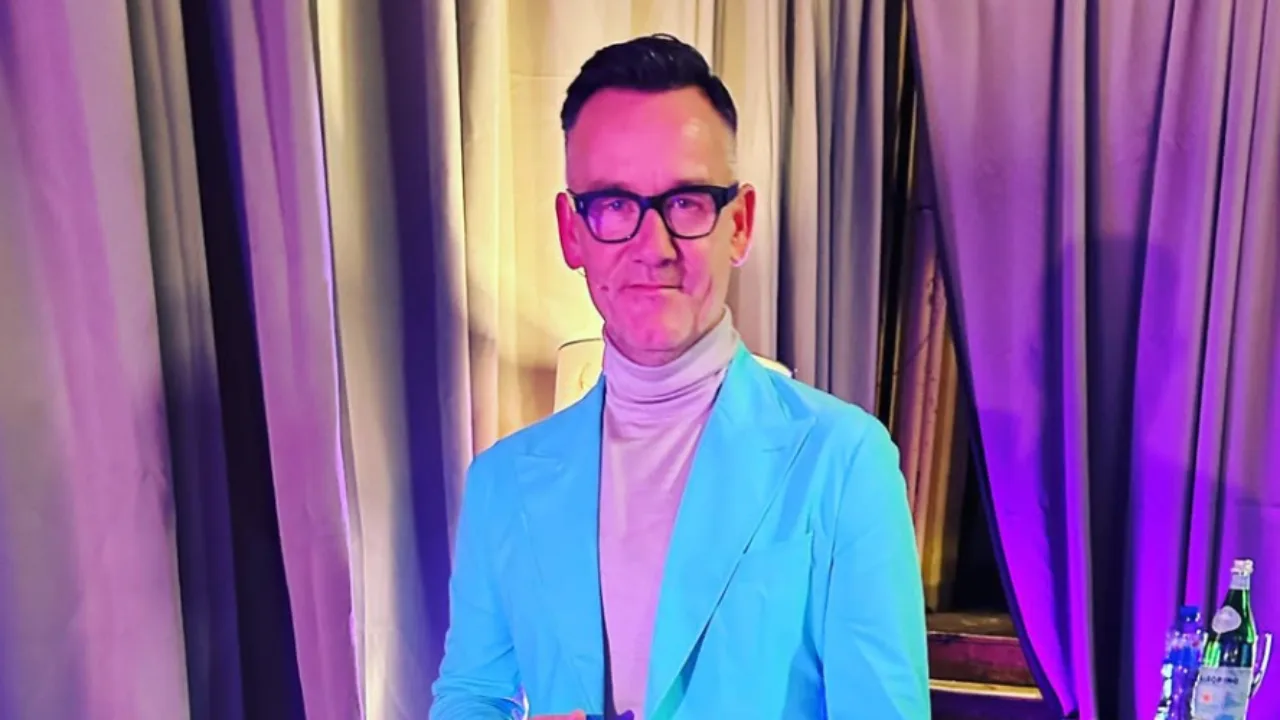
Spokesperson for ‘Yes Equality’, Brian Sheehan, and, Keith Mills, a founding member of ‘Mothers and Fathers Matter’, kindly agreed to provide responses to our questions and you can read what they had to say below.
Whatever side of the debate you’re on, be sure to vote on May 22.
What’s the biggest thing at stake on May 22nd?
Brian Sheehan, Yes Equality: The biggest thing at stake is the future status, acceptance and happiness of our lesbian and gay family members, friends, and neighbours.
On 22 May, we have the chance to make lesbians and gay men equal citizens of our country.
The referendum is about one thing only, extending civil marriage equality – giving equal rights to equal citizens.
The difference between marriage and civil partnership is that the Constitution protects the rights of married people, but not the rights of people in civil partnerships.
Snow Patrol are delighted to support YES EQUALITY in Ireland. JUST SAY YES – our song YOUR VOTE May 22nd. http://t.co/nbP2p7VWso
— Snow Patrol (@SnowPatrolBand) May 6, 2015
Without marriage equality, gay and lesbian people will remain second class citizens, whose love and commitment is not considered worthy of being celebrated and protected on the same basis as others, and who are not recognised as equal families, with all the protections of the Constitution that others enjoy.
Keith Mills, Mothers and Fathers Matter: Essentially we’re deciding what social, cultural and legal purpose marriage will serve for future generations.
I would argue that same-sex marriage advocates ultimately see marriage as an emotionally intense, care-giving and romantic union, your “No. 1 person” (as described by John Gorvino, a same-sex marriage advocate).
But while love is certainly a bloom on the marital relationship, marriage also provides a framework for a man and woman to unite so that any children born between their union will also be raised by them for the duration of their lives.

Maggie Gallagher, an American social commentator who became a single mother while studying at Yale, puts it as follows: Whenever a child is born a mother is nearby, it then becomes a society’s question as to whether the child’s father will also be nearby and for how long?
The people must decide which of these views of marriage is most consistent with their own beliefs and which serves society’s purpose best.
Why should people vote Yes?
Brian Sheehan, Yes Equality: Marriage is a secure foundation on which society thrives, and everyone should be able to marry the person they love and want to make a lifelong commitment with.
“A Yes vote will take from no one. Allowing lesbian and gay couples to marry will not affect other marriages or families. A Yes vote strengthens marriage and protects everyone in our families. A Yes vote is a vote for family values.”

Why should people vote No?
Keith Mills, Mothers and Fathers Matter: If you believe that marriage is an institution orientated towards a man and woman raising and being responsible for the children they have created and that there is something inherently valuable about the link between a child and his or her biological parents which is worth preserving, then you should consider voting No.
If the Marriage Referendum passes, the State will no longer be able to promote the preferred good of mother and father parenting within marriage, either through legislation or social policy.
85%* of JOE readers have told us they will vote Yes, does that surprise you?
Brian Sheehan, Yes Equality: It is truly wonderful that there is such support on JOE.ie and all over the country from people of all backgrounds and ages, which is a sign of the journey towards equality for gay people which Ireland and Irish people have been on over the last decade.
We see that support nightly, through the 50 Yes Equality groups all across the country who are out canvassing each night in their local areas.
https://www.youtube.com/watch?v=lPz1zuzbLnU
However support in polls or on the canvass is meaningless if people don’t turn up to vote. The only poll that matters is the vote on May 22. We cannot leave it to others to vote on the day or assume it will pass because the polls suggest now that it might.
What counts on May 22 is your Yes vote at your polling station. That’s why we are strongly encouraging you to please turn out on May 22 and vote Yes.
Keith Mills, Mothers and Fathers Matter: I believe you have a young readership and most polls suggest a stronger level of support for the Yes side among younger voters.
“There is also the problem that a lot of people who have reservations about the consequences of redefining marriage are afraid to say so publicly in case they’re accused of being homophobic.”
* A Slice Of Ireland survey had over 6,000 respondents. When asked ‘How will you vote in the Marriage Equality Referendum?’ – 85% said ‘Yes’, 4% said ‘No’, 8% ‘Don’t know’, 4% ‘Won’t Vote’.
What’s your biggest fear if you lose?
Brian Sheehan, Yes Equality: Our biggest concern, if the referendum is not passed by the Irish people, is the message that will be sent to young LGBT people – a message that says that they are not worthy of equal citizenship; that their aspirations and place in Ireland is that of a second class citizen.
That will compound the feelings of exclusion and lack of acceptance that have arisen during the campaign as LGBT people and their families have had to listen to debates that say they shouldn’t be treated equally.
However, Irish people are fair minded, welcoming and confident. We believe that they will extend the freedom to marry to all citizens on May 22.
Keith Mills, Mothers and Fathers Matter: I think the effects will be generational rather than immediate.
I think that over time, as marriage becomes more associated with being merely an expression of adult love and less orientated towards mothers and fathers raising their biological children, the rationale for making marriage permanent, monogamous or even limiting it to two people becomes less persuasive.

In fact, there is an argument that where the State does not believe there is any benefit for a child being raised by its biological parents (as evidenced by the Children and Family Relationships Act, 2015) and where marriage is no longer about raising children, why should the State have civil marriage at all?
“I also fear that if the No side ‘win’ some members of the LGBT community will feel marginalised by believing that a rejection of the Referendum is a rejection of their equal status in society.”
That is not what this Referendum is about and not what No voters want to convey, but those who caricature No voters as homophobic bigots are responsible for creating this false impression.

Where can people get more information?
Brian Sheehan, Yes Equality: Log on to www.yesequality.ie and www.refcom2015.ie.
Keith Mills, Mothers and Fathers Matter: Specifically on the Irish debate, www.keepmarriage.org and www.mothersandfathersmatter.org have lots of resources including videos, interviews, and articles by No campaigners.
LISTEN: You Must Be Jokin’ podcast – listen to the latest episode now!