Football’s governing body FIFA have announced that the current World Cup in South Africa is set to be the last World Cup under the current refereeing system.
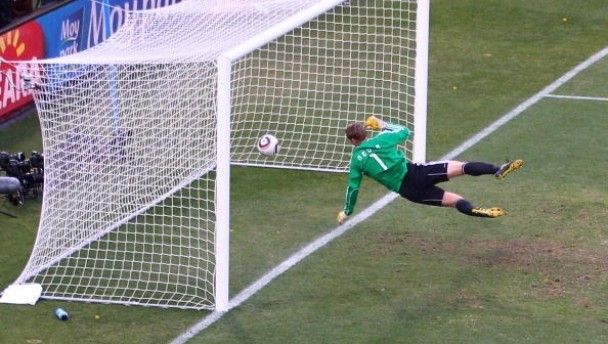
The lack of goal-line technology in particular has been the subject of great controversy after England midfielder Frank Lampard had a goal ruled out against Germany in the last sixteen, even though replays showed the ball had clearly crossed the line.
Other decisions, such as the decision to allow Carlos Tevez’s first goal for Argentina against Mexico to stand despite replays showing he was clearly offside, which fell on the same day as Lampard was denied a goal against Germany, have prompted the governing body the act, with changes set to be made before the next World Cup in Brazil in 2014.
Speaking to the BBC, FIFA general secretary Jerome Valcke said that the Lampard incident represented “a bad day for organisersâ€.
“We’re talking about a goal not seen by the referee which is why we are talking about new technologyâ€, he said.
“The teams and the players are so strong and so fast. The game is different and the referees are older than all the players. The game is so fast, the ball is flying so quickly, we have to help them and we have to do something and that’s why I say it is the last World Cup under the current systemâ€, he added.
Valcke also suggested that the system trialled during this season’s Europa League, with two extra referees on the goal-line, may be used in the future.
“Let’s see if this system will help or whether giving the referee an additional four eyes will give him the comfort and make duty easier to performâ€, he said.
The issues are set to be discussed at a meeting of the International Football Association Board (IFAB) later this month.