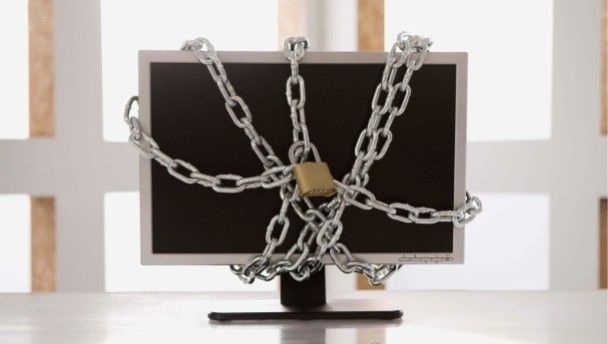
If you believe the internet account you are using at work is your own private little area, you are living under a rock.
According to one study, nearly two-thirds of all companies monitor what websites their employees visit. Over half of companies scan people’s personal e-mails, with a fifth even keeping an eye on instant messaging. And it is perfectly legal for Irish companies to monitor employee’s e-mails, as long as this is mentioned in an employee’s contract.
One Irish woman’s boss accessed her e-mails to check on company business, while she was absent from work through illness. The employer found that she had made derogatory remarks about fellow employees. An investigation was conducted, and the woman was eventually fired. The Employment Appeals Tribunal then rejected her claim for unfair dismissal.
Many employers use hardware key-loggers for keystroke logging, a system of recording all of the users’ keystrokes. This includes all of their sensitive passwords. The key-loggers then log all keyboard activity to their internal memory and the spy can view them either in real time or at a later date.
Some devises, such as the Keyghost, are completely undetectable using software and spyware scanners. Keystroke loggers are not illegal, and can be purchase for €79.99.
Employers often use video surveillance too. Primarily to encourage safety, improve efficiency and prevent stealing. According to a 2005 survey, over 50% of companies use video monitoring to prevent theft, violence and sabotage.
They also video-tape them to keep an eye on worker’s performance, 10% taping selected job functions and 6% taping all of their employees. 15% of companies didn’t even tell their workers that they were being filmed (which is against the law).
Your rights
Employers are legally allowed to monitor your internet, e-mail, and phone usage, so long as that is in your contract. Hidden phone and e-mail monitoring is not allowed, except where is it is essential to a Garda investigation.
The use of camera surveillance is permitted, as long as employers are transparent about it. If the employer’s suspicions are raised by the video footage, they must allow the worker to view the footage before starting any investigation.
So there you have it. Know your rights, don’t send any incriminating e-mails, and be careful what websites you visit.
You have been warned. You are being watched.
Conor Hogan