Sanctioning of MMA by athletic commissions has saved the sport from becoming a blip in combat sports history books and helped to transform it into the unstoppable juggernaut it has become today.
However, it has become apparent that MMA has been blighted by bad refereeing and poor judging and many have begun to call into question why the sport has failed to address these issues.
“There’s nothing worse than when guys go and train hard for fights and then lose fights that they won,†comments Dana White. “It drives me nuts. The athlete commission needs to figure out what they are doing wrong.”
Currently a system similar to boxing is used to score bouts, with 10 points is scored for the winner and nine or less for the loser. Judges evaluate the fight based on a mixture of techniques including effective striking, effective grappling, octagon control and effective offense and defence.
This can lead to a number of outcomes. A round is scored 10-10 when neither competitor has gained an advantage, meaning the round is effectively a draw. It’s 10-9 is when one competitor gains a slight advantage but does not dominate, a 10-8 round is when one competitor dominates his opponent and a 10-7 is when an opponent is totally overwhelmed.
While in theory this seems to be a logical and sufficient method for scoring fights, many feel is that this system does not adequately represent what takes place in a bout.
New gradients
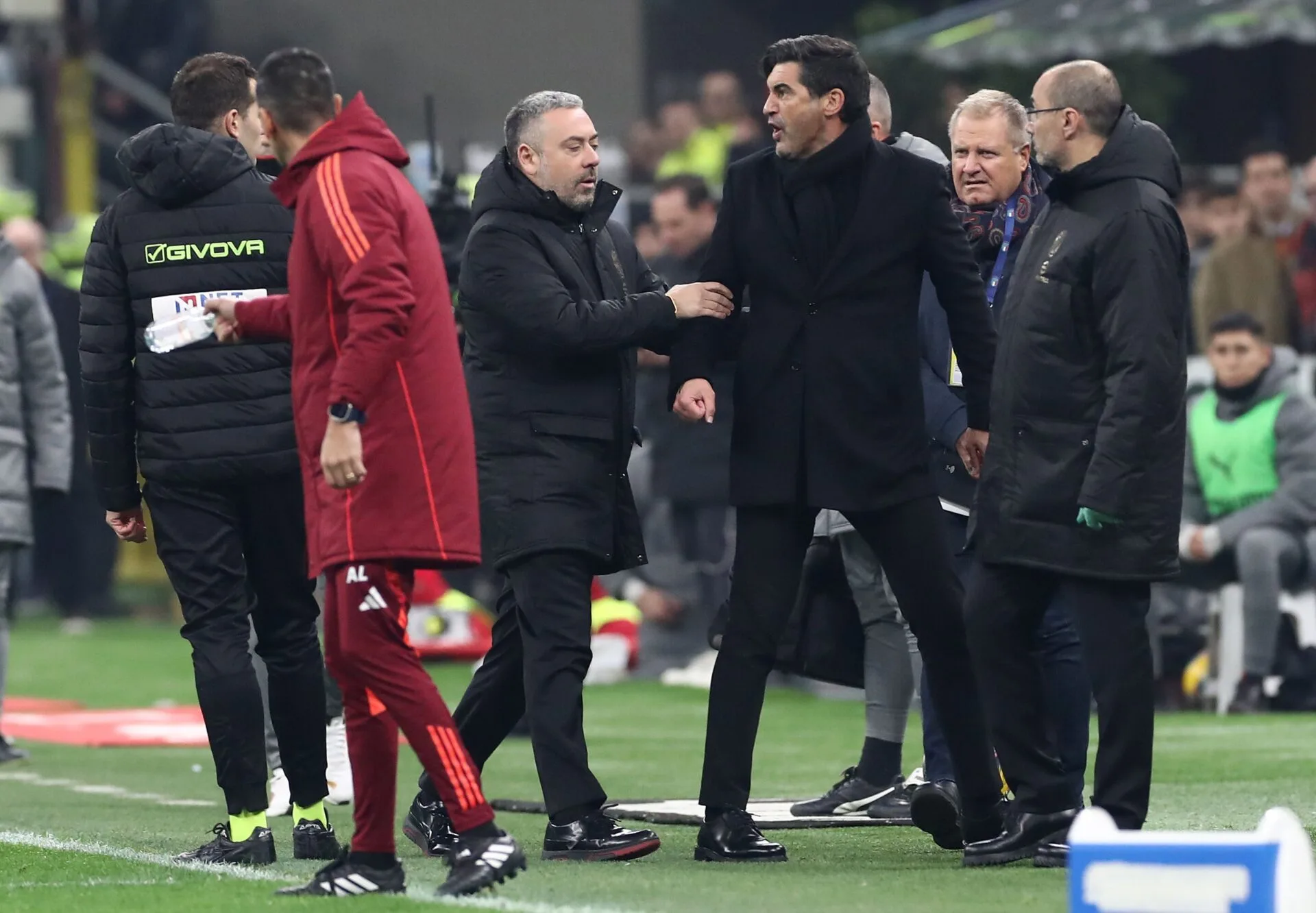
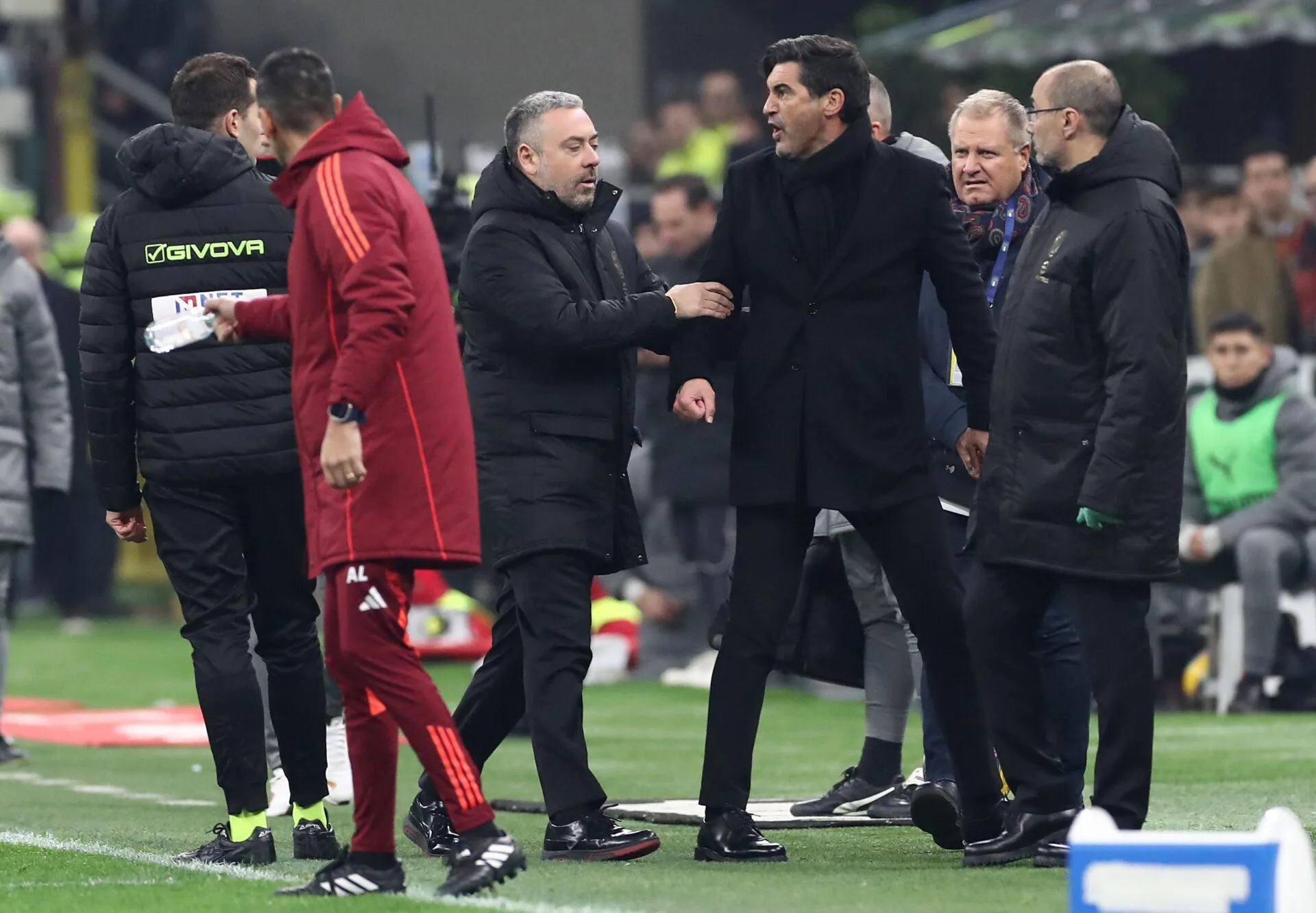
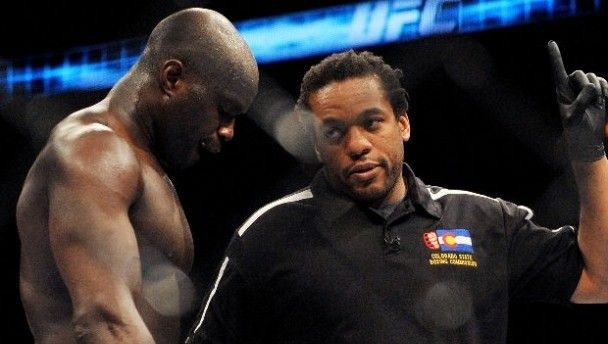
“I think there are a number of different reasons why [poor judging decisions] are happening,†stated MMA referee Herb Dean (pictured top) in an interview with Fighthub last February. “There may be something we can do for the scoring system.”
Dean is echoing what many in the MMA community feel is a suitable alternative to the present system. Nelson Hamilton, one of the judges who scored Machida and Rua’s first fight 48-47 to Rua acknowledges his own role and mistake during that fight, and proposes a half point system to account for a steeper gradient proposed by Dean.
For example, if there is little differentiating a fight it may be awarded 10-9.5. Â When it is certain that one fighter has won a round then it can be scored 10-9 and so on. While this may account for some of the inconsistencies it still leaves some issues unaddressed.
“At the end of the day it’s a fight, and the winner of the fight should be the guy who does the most damage,†states John McCarthy, probably the most recognisable referee in the world.
Lay and pray
The dominance of wrestlers such as Jon Fitch or more recently Rashad Evans in MMA means some of the fighter’s tactics focus on taking down opponents and controlling them dealing little damage or making no attempt to finish the fight. What the athlete commission needs to address is just how much a takedown and control of an opponent is worth.
Taking down and controlling an opponent without attempting to finish the fight received a yellow card in the now defunct ‘Pride Fighting Organisation’ leading to a deduction of 10% of the fighter’s purse, with three yellow cards disqualifying the offender.
While implementing a system like this may not be beneficial to the sport today, changing how a takedown is scored may help to reduce the occurrence of fighters ‘laying and praying’. Instead they will be obliged to use positions to deliver strikes or set up submissions rather than attempt to smother the opponent from the top.
It is also worth noting that fighters who attack from the bottom with strikes and submissions are rarely rewarded for this. Instead, the person in top position usually gains the points even if he is just maintaining position.
Clearly, there are many issues which need to be resolved before we start seeing consistency in fight scoring. Accurate and fair judging as well as removing the lay and pray mentality will benefit the sport and silence many of its detractors who feel grappling is not a ‘real’ part of competitive fighting.
However, the one sure way to ensure you do not fall victim to poor judging is to take Dana White’s advice: “Don’t leave it in the Judges Hands.â€
In order words, finish the fight.
– Stephen Barry