In the 1970 British Golf Open, Doug Sanders had performed superbly and was left with a simple three-foot putt to secure a major title. It seemed like he couldn’t miss. However, he pulled the shot slightly and it drifted past the hole.
When he was asked afterwards what was going through his head as he stood over the putt, Sanders reported that he was thinking about which part of the crowd he was going to wave towards after sinking the ball.
By doing so, he had switched off from the task in front of him. He had allowed himself to become distracted by thinking ahead of himself, an error that would cost him millions of dollars in career earnings and the opportunity to be the British Open champion.
Sanders’s mistake is a common one in sport. Athletes will often get caught up trying to think about multiple things at once. They will become distracted by external forces, like the crowd, the weather, a difficult opponent, or internal forces, like their own perceptions, doubts, beliefs or responses to a situation.
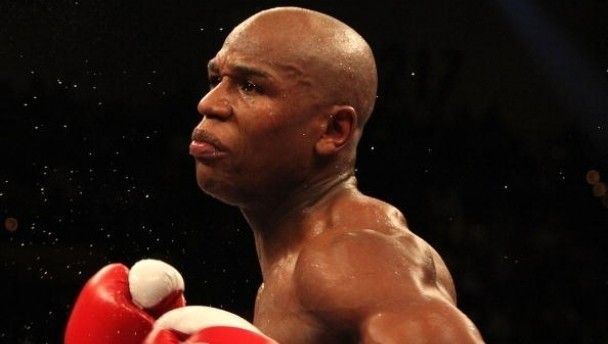
The boxer Floyd Mayweather often talks about how he “never lets what’s going on on the outside effect what’s going on on the insideâ€. In other words, he will never become distracted by things outside of himself over which he has no control (the audience watching his fight, the hype surrounding it etc).
He recognises that it is the same thing when he is sparring with a partner in training as when he is fighting an opponent in front of a big crowd. The ring is the same, the rules are the same, he is expected to do the same things – hit the other guy and stop him from hitting him back.
This level of thinking in such a simple fashion is one of the reasons that Mayweather remains undefeated after over 40 fights as a professional. He is constantly focused on one thing at a time.
This approach sounds easy in theory but it is much more difficult to do in practice. Many athletes will develop different techniques to ensure that their minds remain focused on the present and on what they control, rather than on those things over which they have no influence.
That is why rugby kickers, like Ronan O’Gara, Johnny Sexton and Jonny Wilkinson, will have routines that they use to help them with place kicking, or why the likes of Rafael Nadal, in tennis, will go through the same process between points in a match. Having this routine helps them to remain focused on what is relevant and ensures that they don’t become distracted by either internal or external forces.
So take your cue from the best. Ensure that you keep your thinking simple when it comes to you going out to perform (“next ballâ€, “head up†etc) and keep your focus on those things that you have control over and influence. Otherwise, you’re just wasting energy.
Kevin Clancy and Enda McNulty are Performance Consultants working with Motiv8 (www.motiv8.ie)
Â