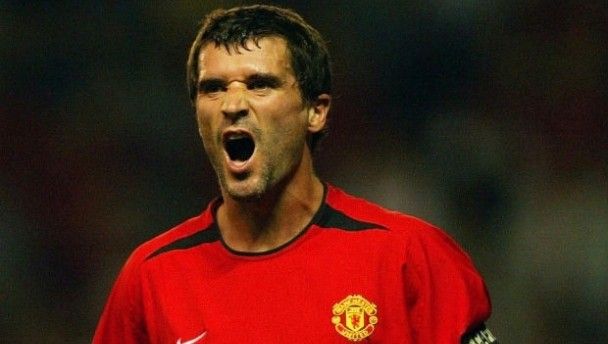
In Roy Keane’s autobiography, Keane, the Cork man talks about his experience of being on a FÃS soccer course in Portmarnock in Dublin before he got his big break with Nottingham Forest. He recalls how the facilities in which the course was run were far from top class and how the pitches would often be mudbaths.
This, combined with the stiff sea breeze coming in off the coast, hardly made for ideal training conditions. How did Keane handle this situation? He spoke about going out on a daily basis and “creating the atmosphere in his headâ€. So, rather than getting bogged down in thinking about the tough training sessions and poor conditions he encountered, Keane would instead be playing in Old Trafford, or Anfield, or Lansdowne Road in his own head. This helped to motivate him, drive him and help him to get the most out of himself.
He probably wasn’t aware of it but what the former Manchester United and Ireland captain was engaging in was a form of visualization.
The word ‘visualization’ can be somewhat misleading. It gives the impression that only your vision is involved in the process. In fact, what Roy Keane was engaging in back in Portmarnock was more a form of mental rehearsal.
This is a powerful tool that athletes use to help them prepare for upcoming performances. It works best when all senses are brought into the mental preparation process – what you can hear, what your body will feel like, the butterflies in your stomach, the wind blowing in your face. The more realistic your imagination of the situation, the better.
The great thing about mental rehearsal, or visualization, is that it can be done anywhere: on the bus, in your car, at home, right before training and in the gym. Bob Bowman, the coach of swimmer Michael Phelps, often talks about how he used to have Michael ‘play the tape in his head’ of his best performance before he would get into the water to train.
This was a form of visualization. Phelps would recreate the experience of his best performance and then train in this state. This would help to increase his intensity levels, his drive, his desire to succeed and would also impact positively on his performance level.
Follow Motiv8’s simple four-step guide to mentally rehearsing your performance today:
1. Think of scenarios
Think about typical scenarios that you might come across in your chosen sport. For example, in Gaelic football you might be a wing back who gets in under a lot of breaks and who likes to drive forward at every opportunity to kick scores. Think of three or four of these typical scenarios.
2. Make them real
Use your imagination to make these situations as real as possible in your head. Bring all of your senses into play. If you’re a golfer, think about what it will be like at the first tee. What can you see? What can you hear? Are you shaking slightly with nerves? Are your palms sweating?
3. Stay positive
Imagine only positive outcomes. The idea behind visualization is to mentally prepare you to react in a particular manner. So focus on what you want to happen, not what you don’t want to happen.
4. Be creative
Visualization should be fun and enjoyable. It’s a chance for you to use your imagination. Enjoy this process. Think about the things you want to happen and generate the excitement that you would feel if those things came about.
Kevin Clancy & Enda McNulty
Kevin Clancy and Enda McNulty are Performance Consultants working with Motiv8 (www.motiv8.ie).