There have been reports today that Irish turkey farmers aren’t the happiest bunch in town and it’s all because of Italian turkeys. What’s going on?
So why are Italian turkeys ruining our Christmas?
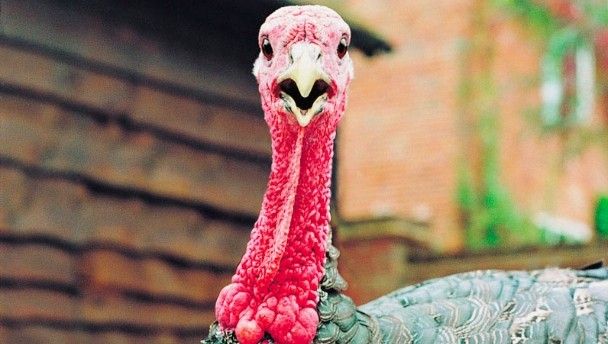
Well it’s all down to the influx of Italian turkeys being imported into Ireland. Apparently, Italian turkeys will make up nearly 25 per cent of turkeys eaten in Ireland this Christmas.
So while those with a vested interest would prefer if we go cold turkey on foreign birds (not on the good kind, of course), there’s a decent chance you’ll be munching down on an international turkey on Christmas day.
Okay, but why is that a big deal?
It’s a ‘big deal’ because it’s not as if we don’t produce some fine turkeys here in Ireland. You could understand importing bananas from Brazil, but Irish farmers don’t like how their produce is being snuffed at for the Italian produce. Basically, they feel like they’re being told to get stuffed (figuratively, of course).
Because of the increase of imported birds, farmers have been cutting back on the number of turkeys they slaughter every year.
Back in 2005, for example, when things were still good, farmers in Ireland slaughtered 3.8m birds. However, last year only 765,000 of our tasty feather friends met the chopping block. While this might be good news for PETA, it’s certainly not good for Irish farmers trying to make an honest buck.
So what are Irish turkey farmers looking to do?
Well, the Irish Farmers Association has called on import authorities to make sure consumers know where their Christmas bird was slaughtered. “It should be clear to consumers exactly where their turkey is coming from,” said an IFA spokesperson.
So when you’re picking out a turkey this year make sure to look for one that was killed in Ireland – even if it costs a euro or two extra.