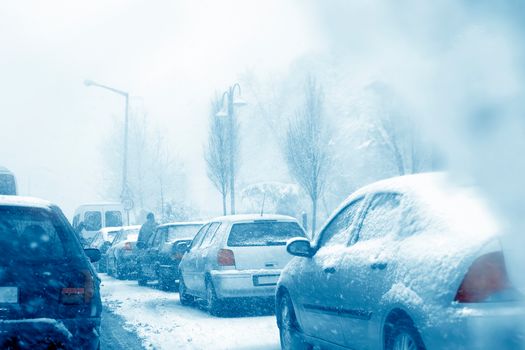
Rule number one: Don’t talk about Fight Club Stay safe out there.
Carzone have released a number of tips for drivers in the snow and ice over the coming week, as Ireland prepares to be hit by ‘The Beast from the East’ aka Storm Emma aka it’s going to be fucking Baltic out there, folks.
Ideally, you’ll load up on tinned goods and buckets of Quality Street and just rewatch Breaking Bad in its entirety, but some of us have jobs and responsibilities and poxy bills to pay.
With that in mind, we need to stay mobile and for those of you who must drive in blizzard conditions, Carzone have issued the following pointers.
- Plan your route: Stick to the main roads which are safer and more likely to be gritted.
- Get a full tank of fuel: Then if you do happen to get stranded you can keep the engine running to keep warm.
- Bring a bag of supplies: Be prepared for any problems or delays. Bring food, water, warm clothes, a blanket, torch, first aid kit, fully charged mobile phone, jump leads, shovel, ice scraper, de-icing fluid and grit/sand/cat litter (for traction if you get stuck)
- Make sure your car is fit to travel: Check basic items, like all your fluids are topped up and your tyres aren’t worn out.
- Clear the entire windscreen with de-icer fluid or scraper, not just a peephole: Make sure the window wipers aren’t stuck to the window. Also clear the side and rear mirrors, front and back lights, door mirrors and number plate.
- Clear any snow off the roof of your car: This can easily slide down while driving and block your view again.
- Steer, accelerate and brake smoothly: Abrupt changes and manoeuvres can result in loss of grip and control.
- Listen to the surface: If the sudden crunch of driving on snow stops, you may be on ice.
- If you skid: Don’t break, this may prolong the skid. Take your foot of the accelerator and way for the skid to stop. If you begin to spin, steer in the car in the direction the rear of your car is sliding. Don’t overcorrect, or you’ll need to turn in the opposite direction.
In the case of flooding, meanwhile…
- Go slow: This may sound like a no brainer, but speed is a serious factor in wet conditions. Speed limits are for normal road conditions, so you should adjust them to ensure you can stop comfortably.
- Manoeuvre lightly: Abrupt manoeuvres will unbalance the car, so steer, brake and turn lightly.
- Don’t use cruise control: Using cruise control is a great feature when its dry, but when it’s wet the chance of losing control greatly increases. To prevent this happening you might need to reduce your speed by taking your foot off the accelerator which can’t be done when cruise control is engaged.
- Use the middle lane: A few inches of water can cause engine damage or aquaplaning. Roads usually slope to the sides so puddles can form there, so by using the middle lane you can minimise the risk of hitting these and continue on safely.
- Don’t open the bonnet if you do breakdown: If you are unfortunate enough to break down, don’t open the bonnet in the rain while you wait for the roadside assistance to arrive. Wet conditions can soak the electrics, making it more difficult to start the engine.
- Check the depth: Don’t attempt to go through more than 6 inches of standing water or 4 inches of moving water. Watch other traffic attempt the flooded area if needs be.
- Drive slowly and steadily: Crawl through the water very slowly in first gear. Try to stay on the crown of the road and keep the revs up. Once through, let oncoming traffic pass you and then test the brakes.
- Don’t drive fast: If you speed through a flooded area you could risk aquaplaning and lose control. If you do aquaplane, hold the wheel lightly and lift off the accelerator until you regain control. Air intake on many cars is also low at the front engine bay so only small amounts of water can be sucked in before causing damage.
- Stop water getting into the exhaust by keeping the revs high: Do this by slipping the clutch. This will prevent the engine from stalling.
LISTEN: You Must Be Jokin’ podcast – listen to the latest episode now!